
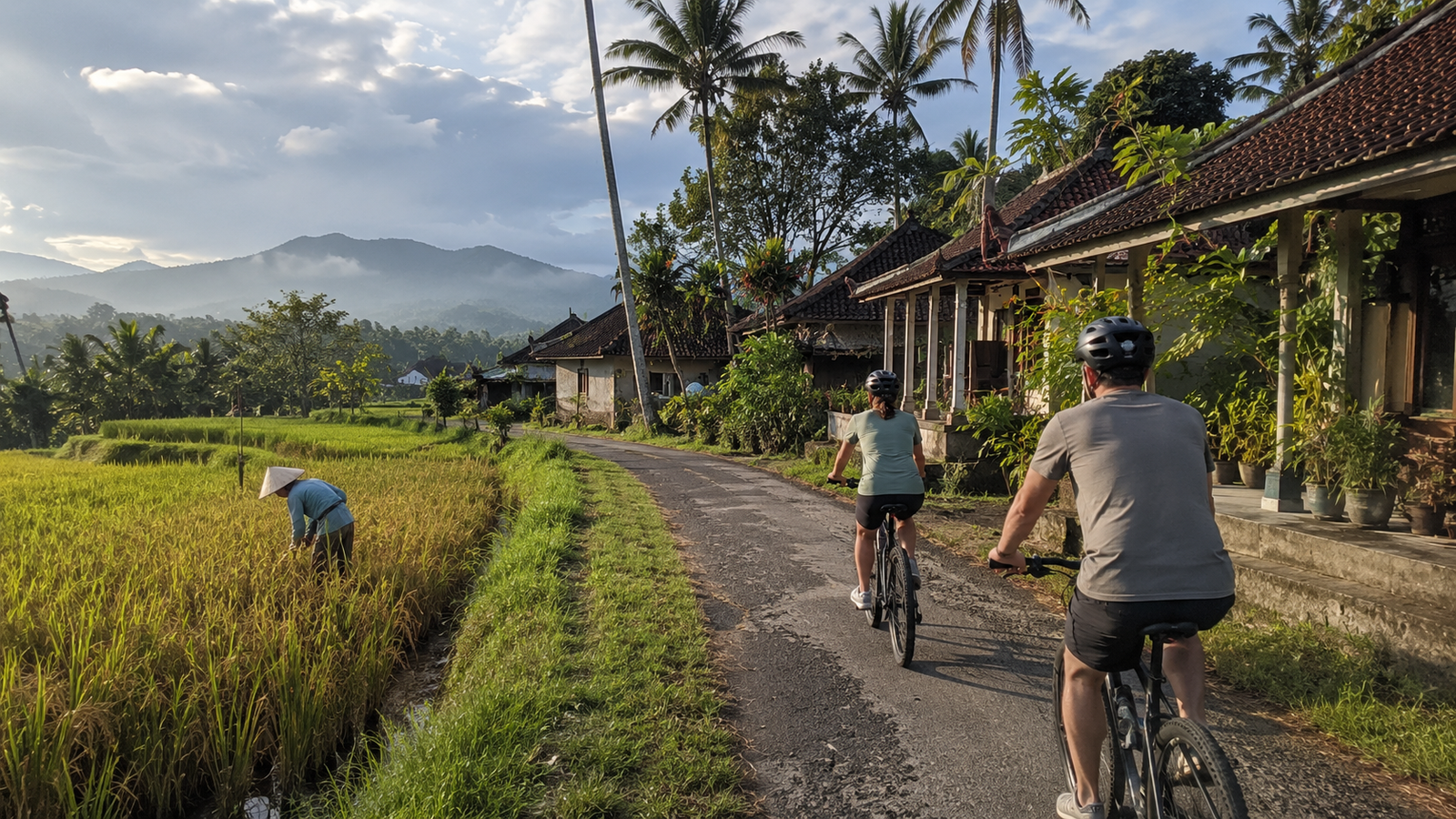
In Candirejo Tourism Village, visitors can pedal along narrow lanes shaded by bamboo groves, passing houses where women weave bamboo into baskets and men carve wooden keychains. The village is one of five Borobudur tourism villages that have been developed to channel the flow of travelers beyond the temple compound, offering a closer look at daily life in rural Central Java. Each village presents a different slice of Javanese culture, and understanding their distinctions helps travelers decide which experience fits their itinerary.
These villages—Candirejo, Wanurejo, Karangrejo, Tuksongo, and Ngargogondo—are not interchangeable. Some emphasize hands-on craft workshops, others focus on agricultural landscapes or traditional performances. The following breakdown draws from official tourism materials and verified local sources to clarify what each village offers, without speculating on unconfirmed details.
What Has Been Confirmed About Borobudur Tourism Villages
The five Borobudur tourism villages are officially recognized as part of the Borobudur Authority Agency’s community-based tourism program. According to the 2025 Borobudur–Yogyakarta–Prambanan Travel Guide Book published by the Indonesian Ministry of Foreign Affairs, these villages were selected to provide alternative attractions that complement the temple visit. The guidebook confirms that each village has a distinct character: Candirejo is known for its andong (horse-cart) rides and homestays, Wanurejo for its woodcarving and traditional dance, Karangrejo for its panoramic rice-field views and gerabah (pottery), Tuksongo for its noodle-making industry, and Ngargogondo for its coffee plantations and agro-tourism.
No official pricing or operating hours are listed in the source material, and the travel guide advises visitors to check with local tourism offices or homestay operators for current schedules. The villages are accessible by road from Borobudur Temple, with distances ranging from 2 to 7 kilometers, but road conditions and signage can vary. This variability means that travelers should plan for extra time when moving between villages, especially if they are relying on local transport or cycling. The lack of fixed schedules also implies that the experience in each village can differ significantly from one day to the next, depending on community activities and the availability of artisans. For travelers who value spontaneity, this can be an advantage; for those who prefer a tightly planned itinerary, it may require more flexible expectations.
Details That Most Define the Borobudur Tourism Villages
Candirejo Tourism Village
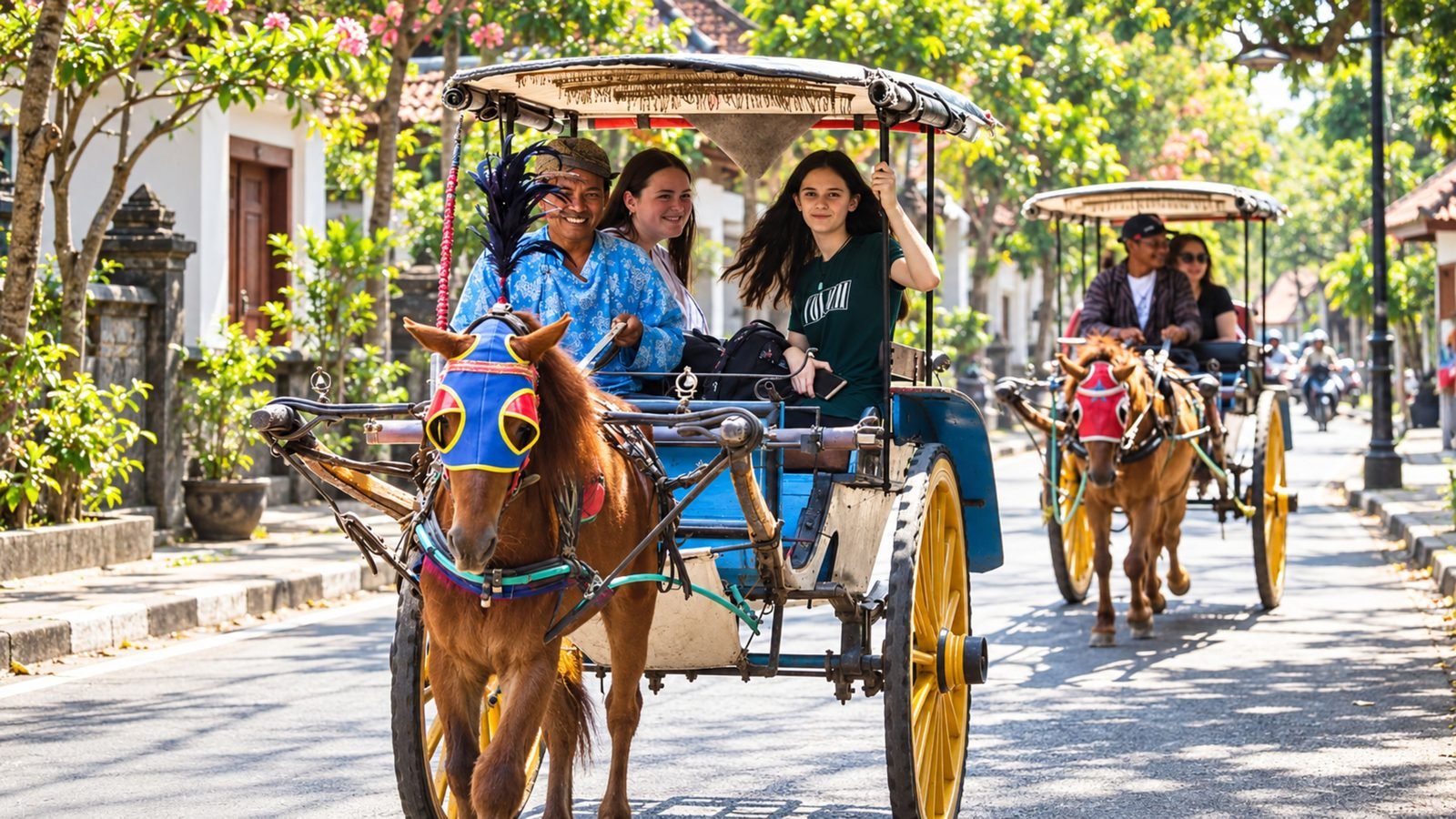
Candirejo is often the first village introduced to foreign visitors because of its structured tourism program. The village cooperative manages andong rides that take visitors through the countryside, past fields of chili and eggplant, and into family compounds where residents demonstrate gamelan music or jamu (herbal drink) preparation. The travel guide notes that Candirejo has the highest concentration of registered homestays among the five villages, making it a practical base for travelers who want to stay overnight near Borobudur. This concentration of homestays also means that visitors are more likely to find English-speaking hosts and accommodations with basic amenities, which can reduce the logistical friction of a rural stay.
Visitors can also rent bicycles to explore independently, though the terrain includes unpaved paths that become muddy after rain. The village’s proximity to the temple—about 3 kilometers—means some homestays offer views of the stupas in the distance, but this is not guaranteed and depends on the specific location. Because Candirejo is the most developed for tourism, it tends to attract larger numbers of visitors, which can affect the sense of authenticity. Travelers seeking a quieter experience might consider visiting during weekdays or early mornings, when the village is less frequented by tour groups.
Wanurejo Tourism Village
Wanurejo has built its reputation on woodcarving, with several family-run workshops open to visitors. The travel guide describes artisans who carve relief panels inspired by Borobudur’s own stone narratives, using teak and mahogany. Unlike Candirejo’s structured tours, Wanurejo’s workshops are more informal; travelers can walk in and observe, though arranging a demonstration in advance through a local guide is recommended. This informality means that the quality and depth of the experience can vary—some visitors may find a master carver willing to explain techniques in detail, while others might only see a brief demonstration. The connection to Borobudur’s iconography adds a layer of cultural continuity that can deepen a traveler’s appreciation of the temple itself.
The village also hosts regular jathilan (traditional horse dance) performances, but schedules are not fixed and depend on community events. Wanurejo is located about 4 kilometers from the temple, and the road passes through a mix of residential areas and small rice fields. Because the performances are tied to local calendars, they offer a glimpse into living traditions rather than staged shows, but this also makes them unpredictable for short-term visitors.
Karangrejo Tourism Village
Karangrejo is distinguished by its open landscapes and pottery tradition. The travel guide highlights the village’s location on a gentle slope, which provides unobstructed views of rice terraces and, on clear mornings, Mount Merapi. Several families produce gerabah using techniques passed down for generations, and visitors can try shaping clay on a manual wheel. The pottery activity is hands-on and can be particularly engaging for travelers who want a tactile souvenir of their visit, though the quality of instruction may depend on the individual artisan’s ability to communicate with non-Indonesian speakers.
The village also has a community-run viewing deck called Balkondes Karangrejo, which faces the rice fields and is used for cultural performances. The embedded map in this article shows the exact location of Balkondes Karangrejo, which can serve as a starting point for exploring the village. Karangrejo is about 5 kilometers from Borobudur Temple, and the access road is relatively well-paved. The presence of the viewing deck makes Karangrejo a convenient stop for travelers who want a scenic break without committing to a full village tour, though the deck’s opening hours and event schedule are not published.
Tuksongo Tourism Village
Tuksongo is the center of noodle production in the area, with many households operating small-scale factories that produce mi lethek—a traditional noodle made from cassava flour. The travel guide notes that visitors can observe the entire process, from grinding the cassava to drying the noodles under the sun. The village’s industrial character sets it apart from the more agrarian or craft-focused villages. This focus on food production offers a different lens on rural economy: instead of seeing fields or workshops, travelers witness a supply chain that connects local agriculture to daily meals. The process is labor-intensive and weather-dependent, so the full sequence may not be visible on every visit.
Tuksongo is about 7 kilometers from the temple, making it the farthest of the five. The road is mostly paved but narrows in sections, and public transportation is limited. Visitors typically combine a trip to Tuksongo with a visit to nearby Ngargogondo. The distance means that Tuksongo receives fewer casual visitors, which can result in a more unvarnished experience but also less tourist infrastructure.
Ngargogondo Tourism Village
Ngargogondo sits at a higher elevation than the other villages, and its cooler microclimate supports coffee plantations. The travel guide mentions that the village has developed agro-tourism activities, including coffee-picking experiences and roasting demonstrations. The landscape is hillier, with terraced gardens and patches of forest. The elevation not only affects the crops but also the physical demands of exploring the village—paths can be steeper and more challenging than in the lowland villages. For travelers interested in specialty coffee, Ngargogondo provides context for how altitude and processing methods shape flavor, though the guidebook does not detail specific coffee varieties or cupping sessions.
Ngargogondo is about 6 kilometers from Borobudur Temple, and the route includes some steep sections. The village has fewer homestays than Candirejo, but its coffee-focused tourism offers a distinct alternative for travelers interested in agriculture. The combination of cooler air and forested terrain can make Ngargogondo feel more remote, even though it is not the farthest village by distance.
Relevant Changes and Developments
The 2025 travel guide reflects a shift in official tourism strategy toward dispersing visitors across multiple villages rather than concentrating them at a single site. This approach is part of the Borobudur Authority Agency’s broader plan to increase the economic impact of tourism on surrounding communities. The guidebook emphasizes that each village has received infrastructure support, including road improvements and signage, though the extent of these upgrades varies. For travelers, this dispersion strategy means that the villages are in different stages of readiness: some may have clear directional signs and smooth roads, while others still feel off the beaten path. The variation can affect travel time and comfort, especially for those not using a private vehicle.
One notable development is the establishment of Balkondes (village balconies) in several locations, including Karangrejo. These viewing platforms are designed to give visitors a place to rest and take in the scenery, and they sometimes host cultural events. However, the guidebook does not provide a schedule of events, and travelers should inquire locally. The Balkondes concept represents an effort to create focal points within villages that lack a central square or obvious gathering spot, but their utility depends on whether they are actively maintained and programmed.
Another change is the increasing availability of homestays that meet basic standards for foreign visitors, such as clean water and English-speaking hosts. Candirejo leads in this regard, but other villages are gradually improving their accommodations. The guidebook advises booking through local tourism offices to ensure quality. This gradual improvement suggests that the homestay experience can vary widely even within a single village; travelers who prioritize comfort should seek recommendations from official sources rather than relying on walk-in arrangements.
Limits of Information That Cannot Yet Be Confirmed
While the travel guide provides a solid overview, several practical details remain unverified. Opening hours for workshops and performances are not standardized; many activities depend on the availability of individual artisans or community schedules. Pricing for activities such as andong rides, pottery classes, or coffee tours is not listed in the source material and likely fluctuates based on demand and negotiation. This absence of fixed pricing means that travelers should be prepared to discuss costs directly with providers and may encounter different rates than other visitors. It also makes budgeting difficult, as there is no published baseline.
Accessibility for visitors with mobility challenges is not addressed in the guidebook. Most village paths are unpaved and uneven, and public facilities such as restrooms may not meet international expectations. Travelers with specific needs should contact the Borobudur Tourism Information Center or individual village cooperatives before visiting. The lack of accessibility information is a significant gap for anyone using a wheelchair or with limited stamina, as the physical demands of each village are not quantified.
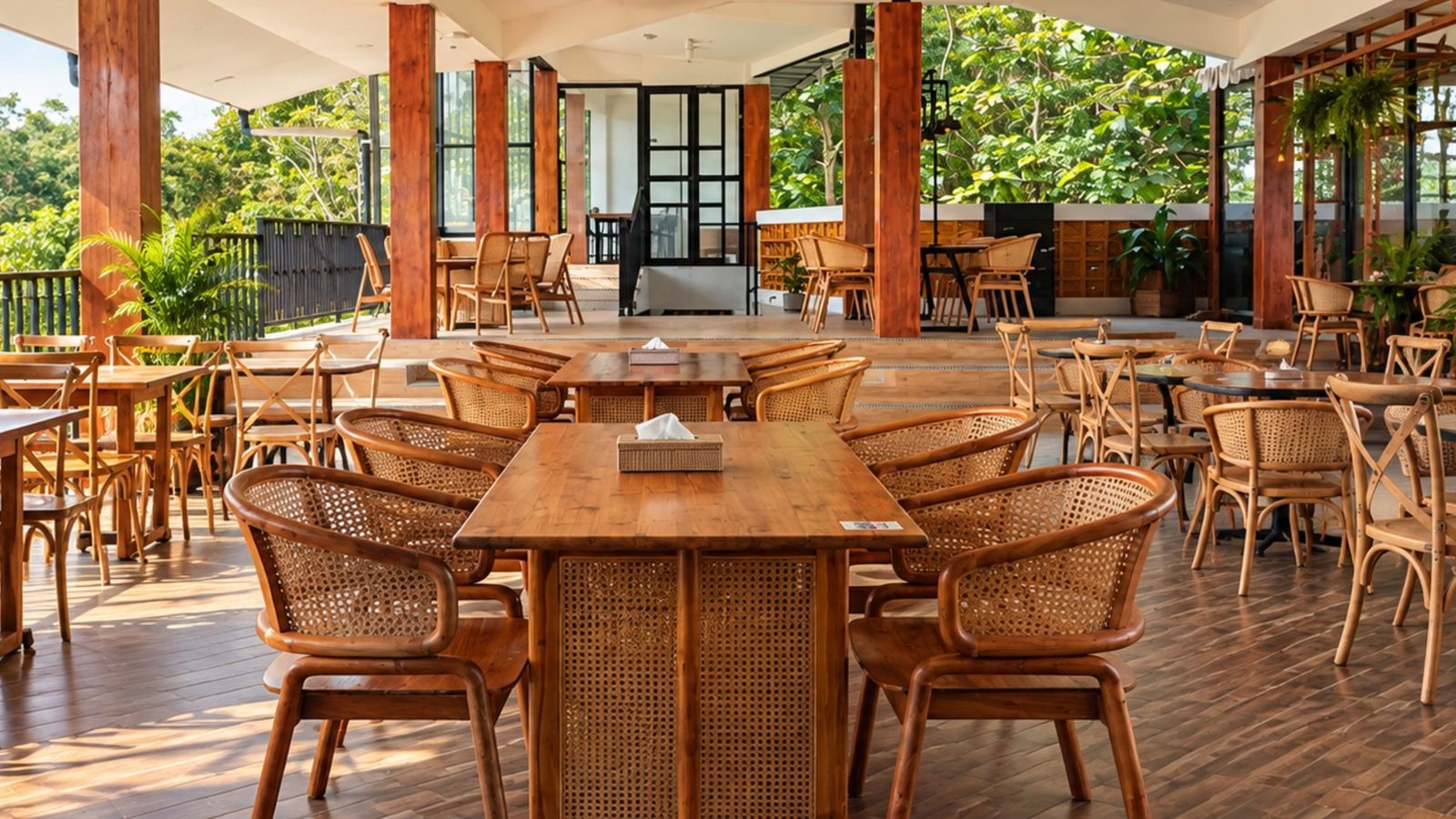
Additionally, the guidebook does not cover dining options within the villages beyond homestay meals. While some villages may have small warung (food stalls), their operating hours and menus are not documented. Visitors who prefer more structured dining might consider nearby restaurants, such as those at Plataran Borobudur Resort & Spa, which offers multiple venues with views of the temple and surrounding mountains. According to the resort’s website, Plataran Borobudur dining includes options like Enam Langit, which serves Indonesian and international dishes from 6 a.m. to 8 p.m. daily with a reservation. This external dining option provides a reliable alternative for travelers who want a predictable meal after village visits, but it requires advance planning and a separate budget.
Reader Follow-Up Questions
Travelers often ask how to choose among the five Borobudur tourism villages. The answer depends on personal interests: Candirejo suits those who want a structured, immersive experience with homestay options; Wanurejo appeals to craft enthusiasts; Karangrejo offers the best landscape views and pottery; Tuksongo is ideal for culinary curiosity; and Ngargogondo attracts coffee lovers and hikers. Combining two villages in one day is feasible if they are close together—for example, Wanurejo and Candirejo are only a few kilometers apart—but Tuksongo and Ngargogondo require more travel time. The decision also hinges on how much time a traveler has: a half-day visit can cover one village in depth, while a full day allows for two villages with a relaxed pace. Travelers with only a morning to spare might prioritize Candirejo for its proximity and structured activities, while those with a full day could pair Wanurejo’s crafts with Karangrejo’s scenery.
Another common question is whether a guide is necessary. While independent exploration is possible, hiring a local guide can unlock access to workshops and performances that are not publicly advertised. Guides can be arranged through the Borobudur Tourism Information Center or through homestay hosts. The travel guide recommends using guides who are certified by the village cooperative to ensure accurate information and fair pricing. The value of a guide extends beyond navigation: they can translate conversations with artisans, explain cultural nuances, and help negotiate activity fees. For travelers who do not speak Indonesian, a guide can transform a passive observation into an interactive learning experience.
Finally, visitors wonder about the best time to visit. The travel guide does not specify optimal seasons, but Central Java’s dry season (April to October) generally offers more comfortable conditions for walking and cycling. Rainy months can make village paths slippery and reduce visibility of mountain views. Regardless of season, mornings are typically less crowded at the villages, as most tour groups arrive after visiting the temple. The interplay between weather and village conditions is practical: a rainy morning in Tuksongo might mean the noodle-drying process is not visible, while a clear afternoon in Karangrejo could reveal Mount Merapi. Checking the forecast and remaining flexible can help travelers align their expectations with what each village can realistically offer on a given day.
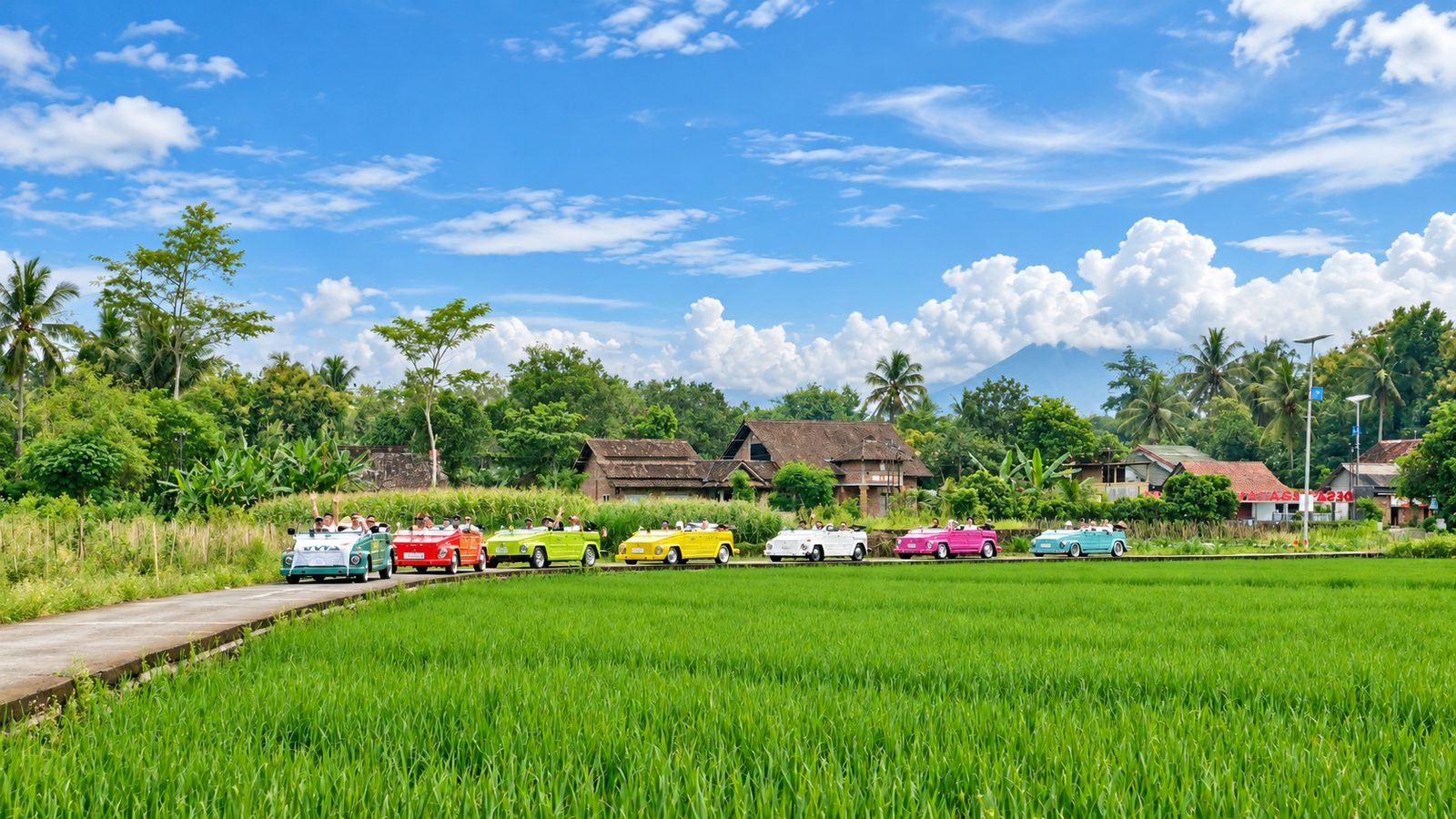
For those planning a broader exploration of the Borobudur area, combining a village visit with other nearby attractions can create a fuller itinerary. The Chicken Church Borobudur (Bukit Rhema) is a short drive from several villages and offers a quirky architectural contrast. Alternatively, a VW Safari Magelang tour can connect multiple villages in a vintage car, adding a nostalgic touch to the journey.