
Soto Kadipiro Wates: A Timeless Journey Through Yogyakarta’s Most Iconic Bowl of Comfort
If you find yourself cruising down the main road connecting the heart of Yogyakarta to the west, towards the rolling hills of Kulon Progo, there is one scent that will inevitably stop you in your tracks. It is the fragrant, earthy aroma of turmeric, ginger, and slow-simmered chicken. This is the scent of Soto Kadipiro Wates, a culinary landmark that is much more than just a restaurant; it is a living piece of Javanese heritage.
For decades, soto has been the quintessential comfort food of Indonesia. While every region has its own variation—from the creamy coconut milk-based Soto Betawi to the spicy Soto Medan—the soto of Yogyakarta is known for its clarity, its subtle sweetness, and its refreshing lightness. Among the hundreds of vendors in the city, the name “Kadipiro” stands at the very top of the hierarchy. Today, we’re taking a deep dive into the Soto Kadipiro Wates branch, exploring why this specific spot has become a mandatory pit stop for travelers, locals, and food enthusiasts alike.
The Legacy of Kadipiro: A Century of Flavor
To understand why people flock to Soto Kadipiro Wates, you first have to understand the history. The original Soto Kadipiro was established in 1921 by Tahir Kartowijoyo. Imagine that—over a hundred years of consistent flavor. The recipe has been passed down through generations, surviving the colonial era, the struggle for independence, and the rapid modernization of Yogyakarta.
The Wates branch carries this heavy mantle of tradition. While the city of Yogyakarta grows more crowded, the Wates location offers a slightly more spacious, breezy atmosphere while maintaining the exact same flavor profile that made the original Kadipiro legendary. It is often the first or last meal for travelers heading to or from the Yogyakarta International Airport (YIA), making it a “welcome home” or a “fond farewell” in a bowl.
The Rise of Culinary Tourism in Indonesia
The enduring popularity of places like Soto Kadipiro Wates isn’t just a local phenomenon. According to data from the Indonesian Ministry of Tourism and Creative Economy, the culinary sector is one of the largest contributors to the country’s creative economy, often accounting for over 40% of the total revenue. Food tourism—where travelers choose destinations based specifically on famous local eateries—has seen a 15% year-on-year growth in the Yogyakarta region.
Soto Kadipiro fits perfectly into this trend. It offers “authenticity,” a keyword for modern travelers. When you sit on the simple wooden benches of Soto Kadipiro Wates, you aren’t just eating; you are participating in a century-old cultural ritual.
What’s in the Bowl? Analyzing the Signature Menu
At first glance, a bowl of soto at Kadipiro looks deceptively simple. However, the complexity lies in the balance of the broth. Here is a breakdown of what makes their signature dish an “andalan” (mainstay) for the locals:
- The Broth: Unlike the murky or overly oily soups found elsewhere, Kadipiro’s broth is golden and clear. It uses local “Ayam Kampung” (free-range chicken), which provides a deeper, more savory umami base than standard broiler chickens.
- The Aromatics: You can taste the layers of lemongrass, kaffir lime leaves, and a hint of candlenut. It’s light enough for breakfast but satisfying enough for lunch.
- The Fillings: Each bowl is packed with shredded chicken, fresh cabbage, bean sprouts, and a sprinkle of celery and fried shallots. The rice is usually served directly in the bowl (Soto Campur), though you can request it on the side (Soto Pisah).
The “Side Dish” Culture: The Real Stars of the Show
In Yogyakarta, a bowl of soto is rarely eaten alone. The table at Soto Kadipiro Wates is usually cluttered with small plates of “pelengkap” (accompaniments). To eat like a true local, you must add these to your spread:
- Perkedel: These fried potato patties are soft on the inside and slightly crisp on the outside. Many locals mash them directly into the soto broth to thicken it.
- Sate Usus and Urutan: Skewers of chicken intestines or eggs are marinated in a sweet soy-based spice blend, providing a chewy contrast to the soup.
- Tempe and Tahu Bacem: Tofu and tempeh braised in palm sugar and coconut water. The sweetness of the bacem balances the salty-savory broth perfectly.
- Kerupuk (Crackers): No Indonesian meal is complete without the crunch of crackers.
Location and Accessibility: The Gateway to Kulon Progo
One of the strategic advantages of Soto Kadipiro Wates is its location. Situated on Jalan Raya Wates, it serves as a crucial transit point. As Yogyakarta expanded its infrastructure with the new international airport in Kulon Progo, this road became the primary artery for tourism.
Strategic Tip for Travelers: If you are catching a flight from YIA, leave the city center 30 minutes earlier than planned and stop here. It’s located roughly midway, making it the perfect place to stretch your legs and fill your belly before a long flight.
Operating Hours: The Early Bird Catches the Soup
Soto Kadipiro Wates typically opens early in the morning, around 7:00 AM, and closes by the afternoon (usually 3:00 PM or 4:00 PM). However, a word of caution: they operate on a “until sold out” basis. During holiday seasons or weekends, the pots can run dry as early as 1:00 PM. If you want the full selection of side dishes—especially the coveted perkedel—aim to arrive before 10:30 AM.
Why Locals Keep Coming Back: A Psychological Comfort
In a world of fast food and trendy cafes, why does a simple chicken soup shop remain so dominant? Psychologists specializing in consumer behavior often point to “nostalgia marketing,” even if the business isn’t doing it intentionally. For many residents of Wates and Yogyakarta, Soto Kadipiro is the taste of childhood. It’s where their grandfathers took them after a morning at the market.
Furthermore, the “open kitchen” concept of Soto Kadipiro, where you can see the large steaming cauldrons and the staff skillfully shredding chicken, creates a sense of transparency and trust. You know exactly what is going into your body: fresh ingredients, traditional spices, and no shortcuts.
Comparing the Kadipiro Branches
Frequent visitors often debate which Kadipiro is the “best.” While the original shop on Jalan Wates (near the city) holds the most historical weight, the Soto Kadipiro Wates location is praised for:
- Ample Parking: Unlike the city center branches where parking can be a nightmare, the Wates branch is more accommodating for large family cars and tour buses.
- Consistent Quality: The management ensures that the spice paste (bumbu) remains identical to the original family secret.
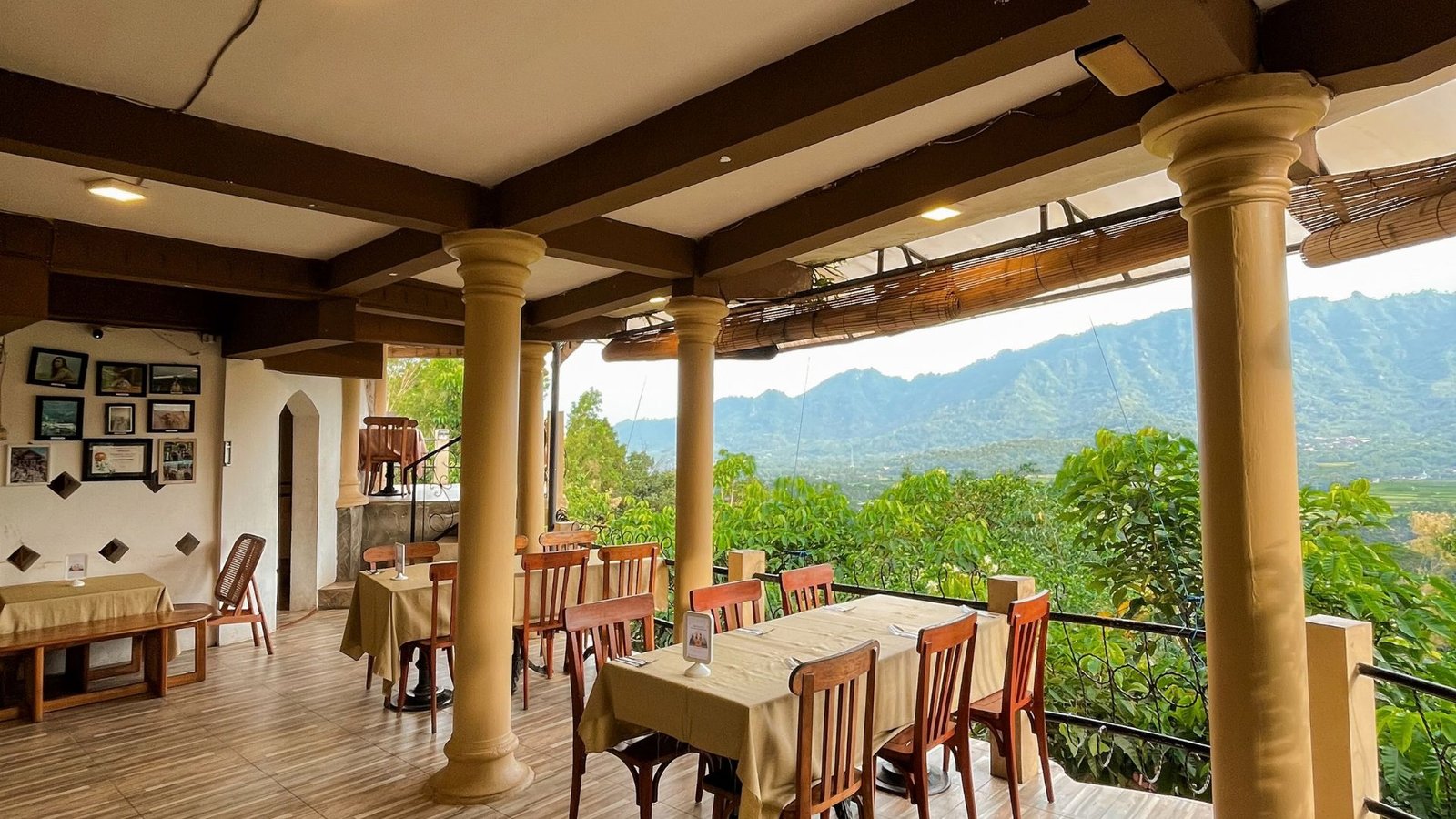
- Better Airflow: The higher ceilings and semi-open architecture make it feel much cooler, which is a blessing in the tropical heat of Kulon Progo.
Actionable Tips for Your Visit
To ensure you have the best experience at Soto Kadipiro Wates, follow these simple strategies:
1. Ask for “Kecap Kental”: Yogyakarta is the land of sweet soy sauce. Kadipiro uses a specific high-quality kecap. If you find the soto too savory, a small swirl of this dark, syrupy sauce will transform the dish.
2. Don’t Skip the Lime: Every table has freshly cut lime wedges. Squeezing one into your bowl cuts through the richness of the chicken fat and awakens the spices.
3. Order the “Es Jeruk”: Their iced orange juice (or hot orange) is made from local citrus that has a distinct tartness, which is the perfect palate cleanser after a hearty meal.
4. Check the Signage: There are many “Soto Kadipiro” look-alikes. Look for the specific branding and the mention of the “Asli” (Original) lineage to ensure you are getting the authentic 1921 recipe.
The Future of Traditional Culinary Spots
As Yogyakarta moves towards becoming a “Smart City” and a global tourism hub, places like Soto Kadipiro Wates face the challenge of modernization. However, their refusal to change the core recipe is their greatest strength. In an era of fusion food, the “purist” approach of Kadipiro is a breath of fresh air.
Industry experts suggest that heritage brands like this should continue to focus on the “storytelling” aspect of their food. By sharing the history of the 1921 founding, they connect with a younger generation that values heritage and sustainability over mass-produced food.
Conclusion: A Must-Visit for Every Foodie
Soto Kadipiro Wates is more than just a place to eat; it’s a culinary landmark that captures the soul of Yogyakarta. It represents the resilience of tradition in a changing world. Whether you are a local resident looking for a familiar taste or a traveler seeking an authentic Indonesian experience, this bowl of golden chicken soup is waiting for you.
Next time you find yourself on the road to Kulon Progo, pull over, take a seat, and enjoy a bowl of history. Your taste buds will thank you.
Summary Information for Visitors:
- Location: Jl. Raya Wates, Kulon Progo, Yogyakarta (Main road).
- Specialty: Authentic Javanese Chicken Soto (Soto Ayam Kampung).
- Price Range: Affordable (IDR 20,000 – 40,000 per person including drinks and sides).
- Best Time to Visit: 8:00 AM – 11:00 AM.
- Pro Tip: Grab some local crackers and perkedel for the full experience!