
The Warmth of Magelang: An Introduction to Sop Senerek
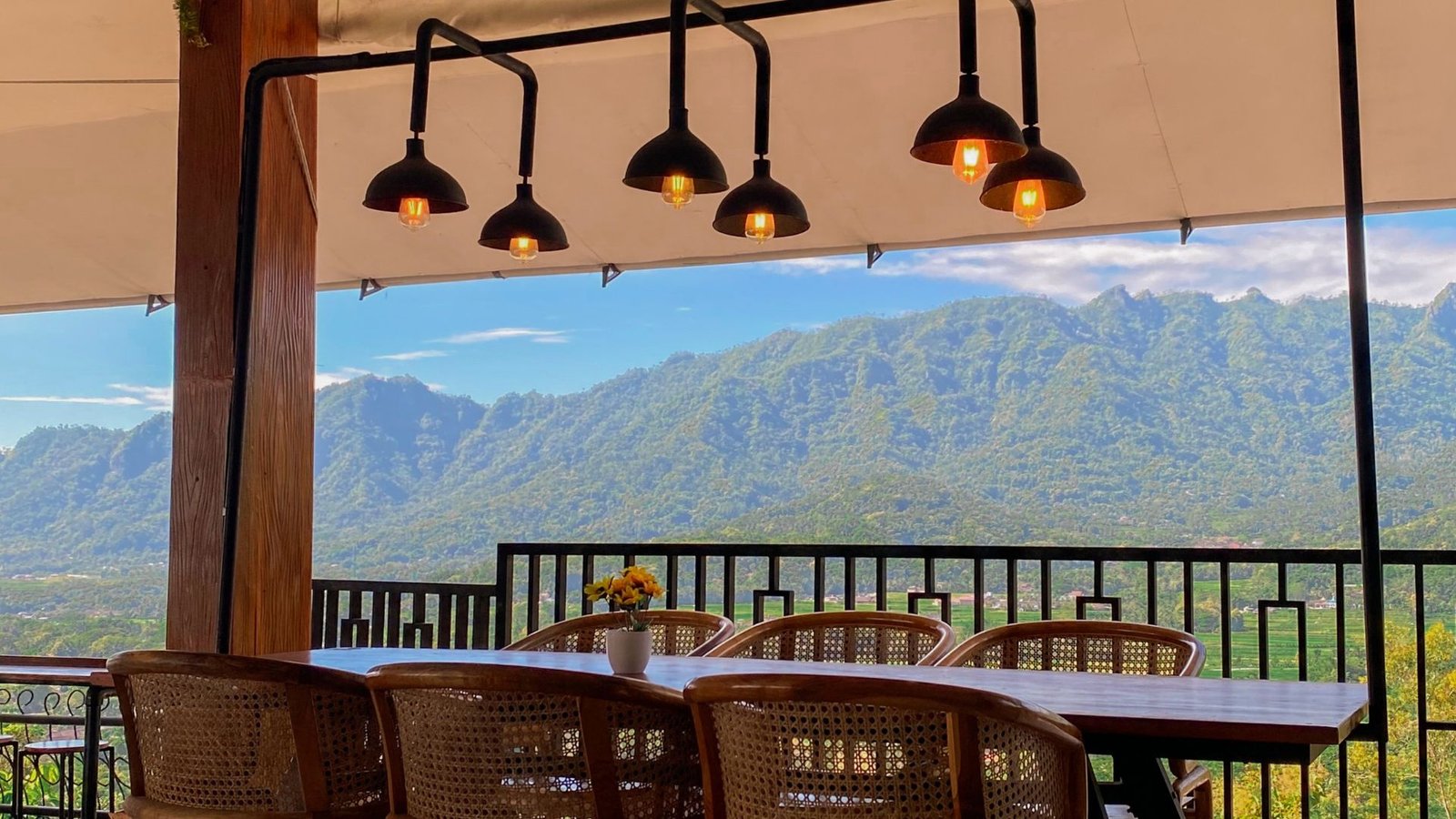
Imagine waking up in the cool, misty highlands of Magelang, Central Java. As the sun begins to peek over the horizon, casting a golden glow on the majestic Borobudur Temple, there is a certain chill in the air that calls for something more than just a standard breakfast. In this corner of Indonesia, the answer to a cold morning is a steaming bowl of Sop Senerek.
Sop Senerek is not just a soup; it is a bowl of history, culture, and comfort. This legendary red bean soup is the undisputed “queen” of breakfast in Magelang. While many travelers pass through this city solely to visit the ancient Buddhist monuments, food enthusiasts know that the real soul of Magelang resides in its humble “warungs” (local eateries) where the aroma of garlic, nutmeg, and beef broth fills the air. In this guide, we will take a deep dive into the world of Sop Senerek, exploring its colonial roots, its unique ingredients, and the best places to find it.
The Fascinating History: From Dutch “Snert” to Javanese “Senerek”
Magelang has a long history as a military hub during the Dutch colonial era. This history is reflected not just in the architecture of the city but also in its culinary landscape. Sop Senerek is a prime example of “Indische” cuisine—a fusion of Dutch and Indonesian flavors.
The name “Senerek” itself is believed to be a localized pronunciation of the Dutch word “Snert.” In the Netherlands, Erwtensoep (better known as Snert) is a thick pea soup served during the winter months. When the Dutch soldiers and residents settled in Magelang, they wanted a taste of home. However, green peas were not always readily available in the local markets. Local cooks adapted the recipe by substituting green peas with local red beans (kidney beans) and adding aromatic Javanese spices.
What started as a colonial adaptation evolved into a beloved local staple. Today, Sop Senerek is distinctly Javanese, characterized by its clear, savory broth and the subtle sweetness of the red beans, a far cry from the thick, porridge-like consistency of the original Dutch Snert.
What’s Inside the Bowl? A Breakdown of Ingredients
A classic bowl of Sop Senerek is a colorful medley of textures and flavors. Unlike many Indonesian soups that rely heavily on coconut milk (santan) or turmeric, Sop Senerek is celebrated for its clarity and freshness. Here is what you will typically find in a traditional serving:
- Red Beans (The Star): These are slow-cooked until tender but not mushy. They provide an earthy sweetness and a satisfying bite.
- Carrots: Sliced into rounds, they add a touch of color and natural sweetness.
- Green Vegetables: Usually spinach or Chinese cabbage (sawi), added at the last minute to maintain their vibrant color and crunch.
- The Protein: Most places offer a choice of beef slices, beef ribs (iga), or mixed innards (babat, iso). For those who prefer something lighter, chicken versions are also occasionally available.
- The Broth: A clear beef-based stock infused with garlic, shallots, pepper, and a hint of nutmeg. The nutmeg is crucial—it provides that signature “warm” aroma that defines the dish.
- The Garnish: A sprinkle of fried shallots (bawang goreng) and chopped celery adds the final layer of fragrance.
Top Legendary Spots to Eat Sop Senerek in Magelang
If you are planning a visit, you cannot just go anywhere. While many stalls sell the soup, a few “legendary” establishments have set the gold standard for decades. Here are the must-visit locations:
1. Sop Senerek Bu Atmo
Located on Jalan Pangeran Diponegoro, Sop Senerek Bu Atmo is perhaps the most famous name in the business. Established in the late 1950s, this place is often packed with locals and tourists alike. What sets Bu Atmo apart is the richness of the broth and the generous portions of red beans. Their beef is incredibly tender, having been simmered for hours. It is recommended to arrive early, as they often sell out by lunchtime.
2. Sop Senerek Pak Parto
Situated near the Tidar Hill area, Sop Senerek Pak Parto offers a slightly different vibe. This spot is famous for its “Sop Senerek Iga” (Beef Rib Red Bean Soup). The ribs are fall-off-the-bone tender, and the broth has a slightly bolder pepper profile. Eating here feels like a true Magelang experience, often accompanied by the sound of the nearby Progo River.
3. Sop Senerek Iga Bang Jarot
A favorite for the younger crowd and those who love a modern twist, Bang Jarot specializes in premium cuts of ribs. While still maintaining the traditional recipe, the presentation and the quality of the meat are top-tier. It’s a great place if you want a “meatier” experience.
The Art of Eating Sop Senerek: Side Dishes and Condiments
In Indonesia, a meal is never just the main dish. To eat Sop Senerek like a local, you must pair it with the right “temen makan” (food friends). On every table in a Magelang soup stall, you will find a tray of tempting side dishes:
- Perkedel Kentang: Fried mashed potato patties. They are perfect for soaking up the savory broth.
- Tempe & Tahu Goreng: Fried tempeh and tofu are staples. The crunch of a well-fried tempeh provides a great contrast to the soft beans.
- Sate Kerang & Sate Telur Puyuh: Skewers of spiced clams or quail eggs add a savory-sweet kick to the meal.
- Sambal Hijau: Most Sop Senerek stalls serve a specific green chili sambal. It isn’t overly spicy but adds a fresh acidity and heat that cuts through the richness of the beef broth.
- Krupuk: Whether it’s the giant white crackers (kerupuk kaleng) or shrimp crackers, the crunch is essential.
Nutritional Benefits: Why Sop Senerek is a “Superfood”
Beyond its delicious taste, Sop Senerek is surprisingly healthy. Nutritionists often highlight the benefits of its core ingredients. Red beans, for instance, are an excellent source of plant-based protein, fiber, and essential minerals like iron and magnesium. According to dietary studies, a diet rich in legumes can help regulate blood sugar and improve heart health.
The addition of carrots (Vitamin A) and spinach (iron and antioxidants) makes it a balanced meal. Because the broth is clear and not based on heavy fats or coconut milk, it is relatively low in calories compared to other Indonesian favorites like Gulai or Soto Betawi. It’s a meal that gives you energy without making you feel sluggish—perfect for a day of climbing the steps of Borobudur!
A Foodie’s One-Day Itinerary in Magelang
If you are visiting Magelang for the food, Sop Senerek is just the beginning. Here is how you can spend a perfect culinary day in the city:
- 07:00 AM: Start your day at Sop Senerek Bu Atmo for a traditional breakfast.
- 09:00 AM: Visit Borobudur Temple or hike up Tidar Hill to burn off some calories.
- 12:00 PM: For lunch, try Kupat Tahu Magelang. This dish features rice cakes (kupat), fried tofu, cabbage, and bean sprouts, all smothered in a sweet and savory peanut-soy sauce. The most famous spot is Kupat Tahu Pojok.
- 03:00 PM: Snack on Getuk Gondok, a colorful sweet treat made from cassava, usually found in the traditional markets.
- 07:00 PM: End your day with Mangut Beong. This is a spicy catfish curry made from the “Beong” fish, which is native to the Progo River. It’s fiery, flavorful, and incredibly unique to the region.
Bringing Magelang Home: A Simple Sop Senerek Recipe
Can’t make it to Magelang just yet? You can try making a simplified version at home. While it lacks the “magic” of a 60-year-old cauldron, it’s a great way to experience the flavor.
Ingredients: 250g red beans (soaked overnight), 300g beef brisket, 2 carrots, 1 bunch of spinach, 1.5 liters of water, 4 cloves of garlic (crushed), 1 tsp nutmeg powder, salt, and white pepper to taste.
Instructions:
- Boil the beef in water until tender. Skim off any foam. Remove beef, dice it, and put it back in the pot.
- Add the soaked red beans and simmer until the beans are soft.
- Saute the garlic until fragrant and add it to the soup.
- Add sliced carrots and cook until tender.
- Season with nutmeg, salt, and pepper.
- Just before serving, toss in the spinach for 1 minute.
- Serve hot with steamed rice and fried shallots.
Conclusion: More Than Just a Meal
Sop Senerek is a testament to Magelang’s resilience and creativity. It shows how a foreign concept can be embraced, adapted, and eventually turned into a cultural icon. Every spoonful of this soup tells the story of generations of cooks who maintained the tradition, ensuring that the “warmth” of Magelang is available to anyone who seeks it.
Whether you are a seasoned traveler or a curious foodie, Sop Senerek is a must-try. It’s not just about the food; it’s about the experience of sitting in a busy warung, hearing the clinking of spoons, and feeling the genuine hospitality of Central Java. So, the next time you find yourself near Borobudur, make sure to skip the hotel breakfast and head into the city for a bowl of legendary Sop Senerek. Your taste buds—and your soul—will thank you.