
The Soulful Taste of Magelang: A Journey Through Lontong Cap Go Meh
Magelang has a unique way of welcoming traditional food into its heart. This city, cradled by emerald hills and quiet, misty villages, never seems to be in a hurry. In Magelang, dining is rarely about a quick fix for hunger; it is an invitation to sit a little longer, speak a little softer, and savor flavors that carry the weight of history. It is within this serene atmosphere that Lontong Cap Go Meh finds its perfect home—a dish that is far more than just a combination of spices, but a testament to centuries of shared culture and togetherness.
If you find yourself wandering through the scenic routes of Magelang or if you are simply curious about a culinary tradition that is rich with meaning, Lontong Cap Go Meh is your doorway to understanding the local culture through taste. This dish isn’t just a meal; it’s a story on a plate, representing the harmonious blend of Chinese and Javanese heritage.
What Exactly is Lontong Cap Go Meh?
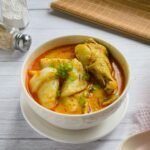
At its core, Lontong Cap Go Meh is a festive dish consisting of lontong (compressed rice cakes) served with a variety of rich side dishes and savory coconut milk-based gravies. While every family and vendor might have their own “secret” version, a standard plate usually features:
- Lontong: The base of the meal, representing longevity.
- Opor Ayam: A mild, yellowish chicken curry cooked in coconut milk and aromatic spices.
- Sambal Goreng Labu Siam: A spicy chayote squash soup that adds a necessary kick.
- Telur Pindang: Marbled eggs braised in tea and spices for hours.
- Bubuk Kedelai: Savory soybean powder that adds a nutty texture and depth.
- Krupuk: Traditional crackers for that essential crunch.
To the untrained eye, it might look similar to the Lontong Opor served during Eid al-Fitr (Lebaran). However, the character of Lontong Cap Go Meh is distinct, shaped by the context of its origins and the specific layers of flavor—the sweet, the savory, and the subtle spicy notes—that dance together in harmony.
The Art of Acculturation: A Culinary Bridge
What makes this dish truly special is the history behind it. Lontong Cap Go Meh was born from the Peranakan culture—the descendants of Chinese immigrants who settled in the Indonesian archipelago. Instead of strictly maintaining their original culinary traditions from China, these settlers adapted to local ingredients and Javanese cooking techniques. The result was not a mere “fusion” but a brand-new identity that both communities embraced. It is a symbol of social harmony, showing that two different cultures can coexist and create something more beautiful together than they could alone.
Why Lontong Cap Go Meh Offers a Unique Flavor Profile
The uniqueness of Lontong Cap Go Meh lies in its perfect balance. The richness of the coconut milk is cut by the lightness of the lontong. The heat from the sambal is present but never overwhelming, and the aroma of lemongrass, galangal, and turmeric creates a warming sensation. In this dish, no single ingredient stands alone; they all complement one another.
In Magelang, you can feel how the local environment influences the kitchen. The Opor and Sambal Goreng are flavors that are deeply familiar to the Javanese palate, while the presentation during the Cap Go Meh celebration adds a touch of Chinese symbolism. This isn’t just “mixed food”—it’s a cohesive culinary experience that feels complete and comforting, no matter the time of day.
The Tradition: Who Prepares and Serves This Dish?
Traditionally, Lontong Cap Go Meh was prepared by Peranakan families, specifically to mark Cap Go Meh—the 15th day after the Lunar New Year (Imlek), which signifies the end of the celebration. However, as decades turned into centuries, the dish crossed cultural boundaries. Today, it is frequently cooked by Javanese families and local culinary entrepreneurs.
In Magelang, Lontong Cap Go Meh is no longer an exclusive festive meal. It appears in home kitchens, at family gatherings, and in traditional eateries that aim to preserve local heritage. It is usually prepared by those who have a deep connection to “home cooking”—people who aren’t just chasing a trend, but are committed to keeping the “story” of the flavor alive through traditional slow-cooking methods.
The Best Time to Enjoy Lontong Cap Go Meh
While the tradition dictates that this dish be served at the close of the Lunar New Year, in Magelang, you don’t have to wait for a specific calendar date. Many local spots serve it year-round, particularly during weekends or holiday seasons.
The ideal time to indulge is during the “brunch” hours—late morning when the mountain air is still crisp and cool, and your appetite is ready for a hearty, warm meal. Because the dish is quite filling, it serves as an excellent main course that fuels you for a day of exploring the nearby temples or hills.
Where to Find Lontong Cap Go Meh in Magelang
Finding Lontong Cap Go Meh in Magelang can be a bit of a treasure hunt. You might find it at specialized home-based catering during certain events, or at upscale restaurants that focus on “Tempo Doeloe” (the good old days) aesthetics. However, one of the most beloved ways to experience it is at places that offer a connection to nature.
Cafe Bukit Rhema: Dining Above the Clouds
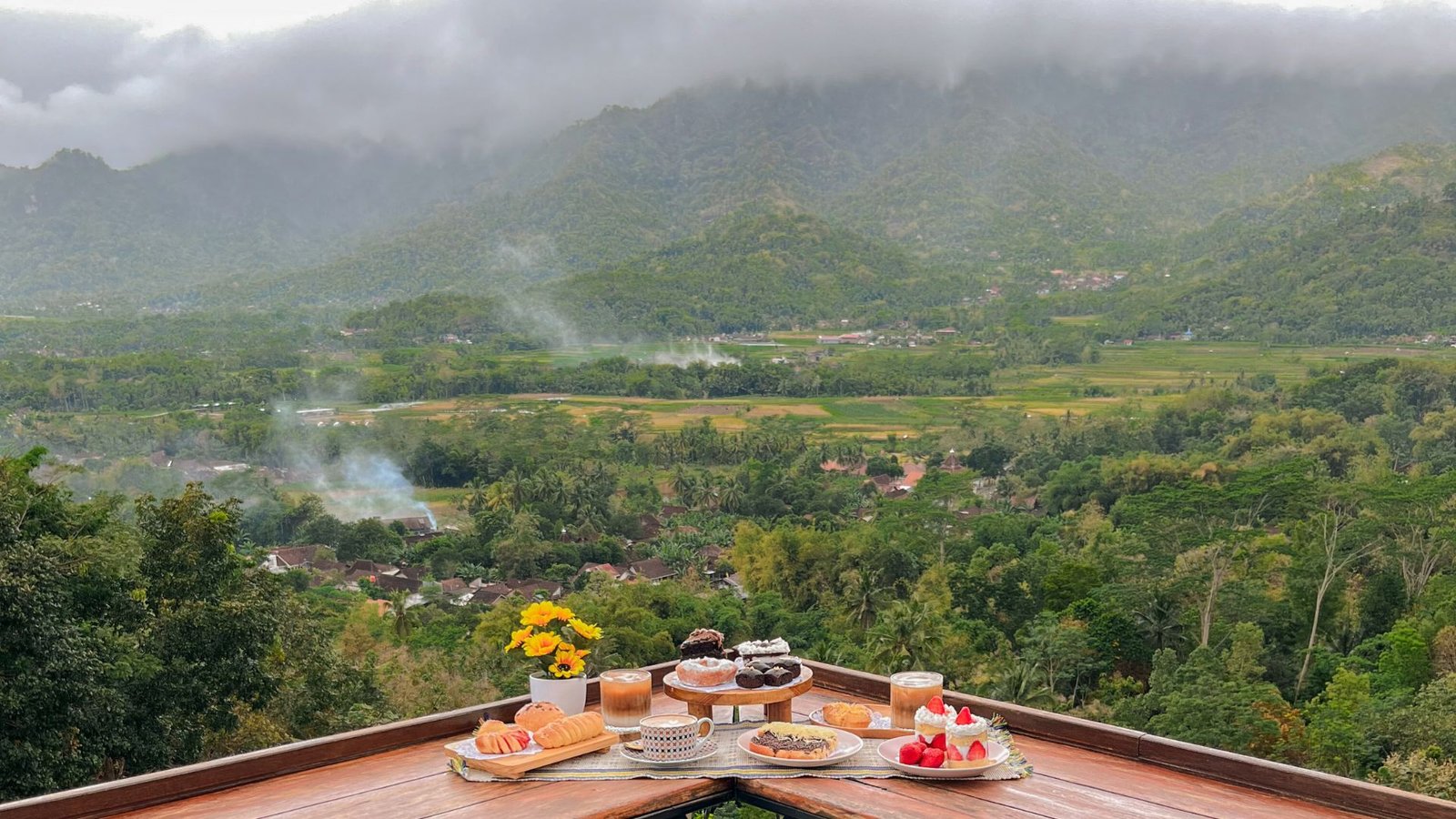
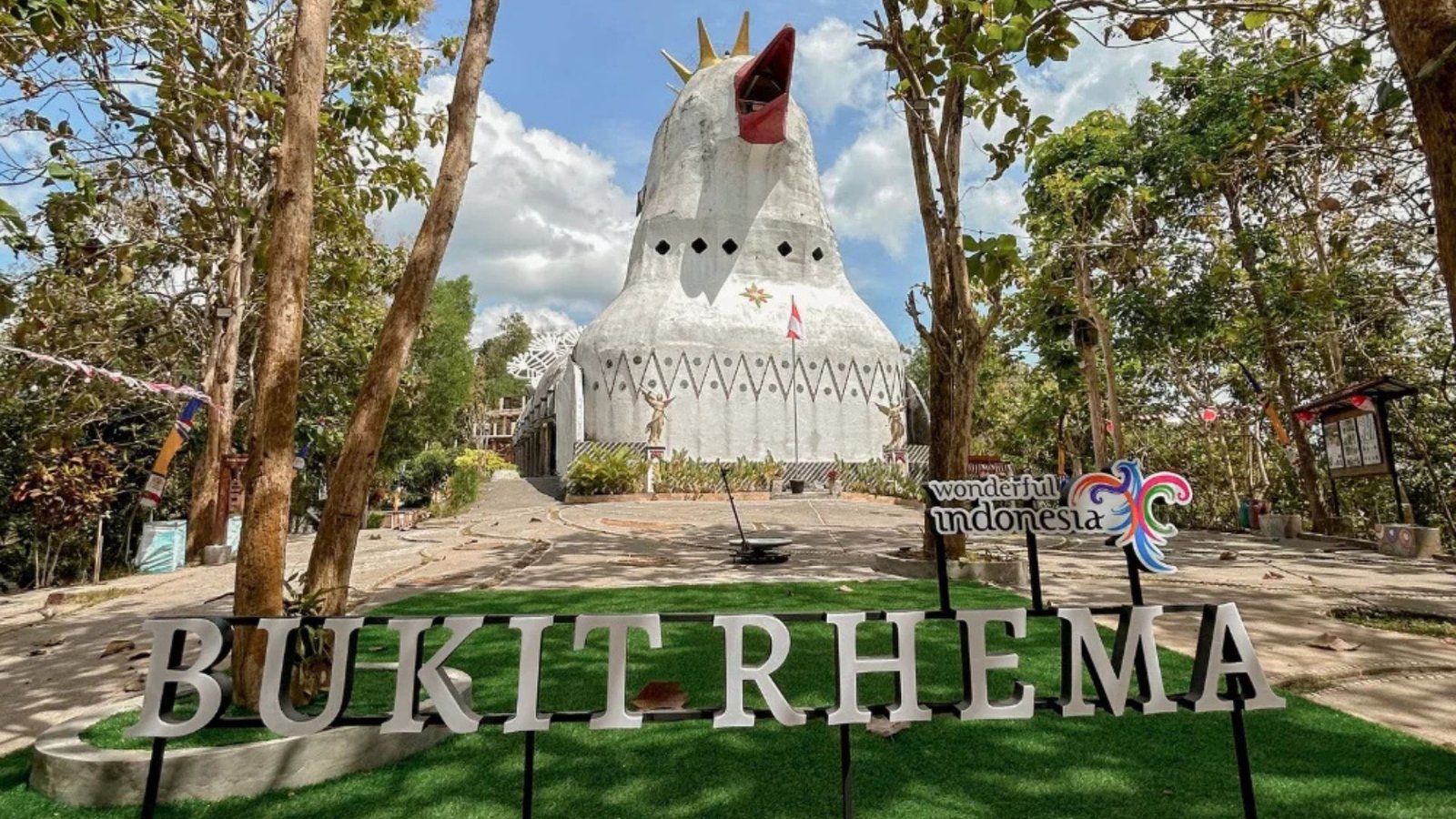
One standout location for enjoying a meal with a traditional touch is Cafe Bukit Rhema. Located in the hills near the famous “Chicken Church” (Gereja Ayam), this cafe offers more than just food; it offers a panoramic view of the Borobudur valley.
Eating Lontong Cap Go Meh here is a different experience altogether. The quiet rustle of the trees and the vast green landscape help you slow down. It’s the perfect spot for those who want to escape the city’s hustle, whether you’re with family, friends, or simply enjoying your own company. At Cafe Bukit Rhema, the meal is part of a larger sensory journey, where the taste of the spices is enhanced by the fresh mountain air.
A Deep Dive into the History: The Legend of the Dish
The history of Lontong Cap Go Meh is often linked to the legend of the first Chinese settlers in Java. It is said that in the 14th century, Chinese immigrants were not allowed to bring their traditional Yuanxiao (rice glue balls) festivals to the public. To fit in with the local Javanese population, they adapted their celebrations.
Since the locals ate lontong during their festivals, the immigrants began serving their savory sides with lontong instead of rice balls. The yellow color of the opor gravy was intentionally chosen because it resembles gold, symbolizing prosperity and good fortune for the year ahead. This historical adaptation is a beautiful reminder of how immigrants have contributed to the rich tapestry of Indonesian cuisine.
The Rise of Culinary Tourism in Central Java
According to recent tourism statistics, culinary experiences are now one of the top three reasons people visit Central Java. Travelers are increasingly looking for “authentic” and “slow” dining experiences rather than fast food. Lontong Cap Go Meh fits perfectly into this trend. It requires time to cook—often hours of simmering the chicken and the eggs—and it requires time to eat. This “Slow Food” movement is alive and well in Magelang, preserving traditions that might otherwise be lost to the pace of modern life.
Tips for the Ultimate Lontong Cap Go Meh Experience
To make the most of your culinary adventure in Magelang, keep these tips in mind:
- Don’t Rush: This is a dish meant for long conversations. Clear your schedule for at least an hour.
- Mind the Portion: A standard serving is very generous. If you aren’t a heavy eater, consider sharing so you have room for local snacks later.
- Visit Early: Many traditional spots run out of Lontong Cap Go Meh by early afternoon, as it is a popular breakfast and lunch choice.
- Pair it Right: A glass of warm tea or a local ginger drink (wedang) complements the creamy spices perfectly.
Frequently Asked Questions
What is the difference between Lontong Cap Go Meh and Lontong Opor?
While they share many similarities, the difference lies in the cultural context and the complexity of the side dishes. Lontong Opor is the quintessential Islamic holiday dish in Indonesia. Lontong Cap Go Meh is more complex, often including Bubuk Kedelai (soy powder) and Telur Pindang, which are hallmarks of Peranakan influence.
Is it spicy?
Generally, it is a mild dish. The “heat” usually comes from the Sambal Goreng Labu Siam, but even that is typically adjusted to be savory-spicy rather than burning hot. You can always ask for extra sambal on the side if you prefer more fire.
Is Lontong Cap Go Meh vegetarian-friendly?
Traditionally, no, as chicken (opor) and eggs are central components. However, the vegetable-based sides like the chayote squash and the lontong itself are vegetarian. In some modern cafes, you might find variations, but the authentic version is meat-centric.
Conclusion: More Than Just a Meal
Lontong Cap Go Meh is not merely a traditional menu item. It is a living story of cultural meeting points, of home kitchens that open their doors to everyone, and of eating habits that value meaning over speed. In Magelang, this dish finds its sanctuary—nestled between quiet nature and people who still respect mealtime as a moment of togetherness.
If you ever find yourself craving a meal that doesn’t just fill your stomach but also warms your soul with its history and heritage, Lontong Cap Go Meh is a must-try. Experience it at a relaxed pace, in a place like Bukit Rhema, and let the flavors of Magelang tell you their story.