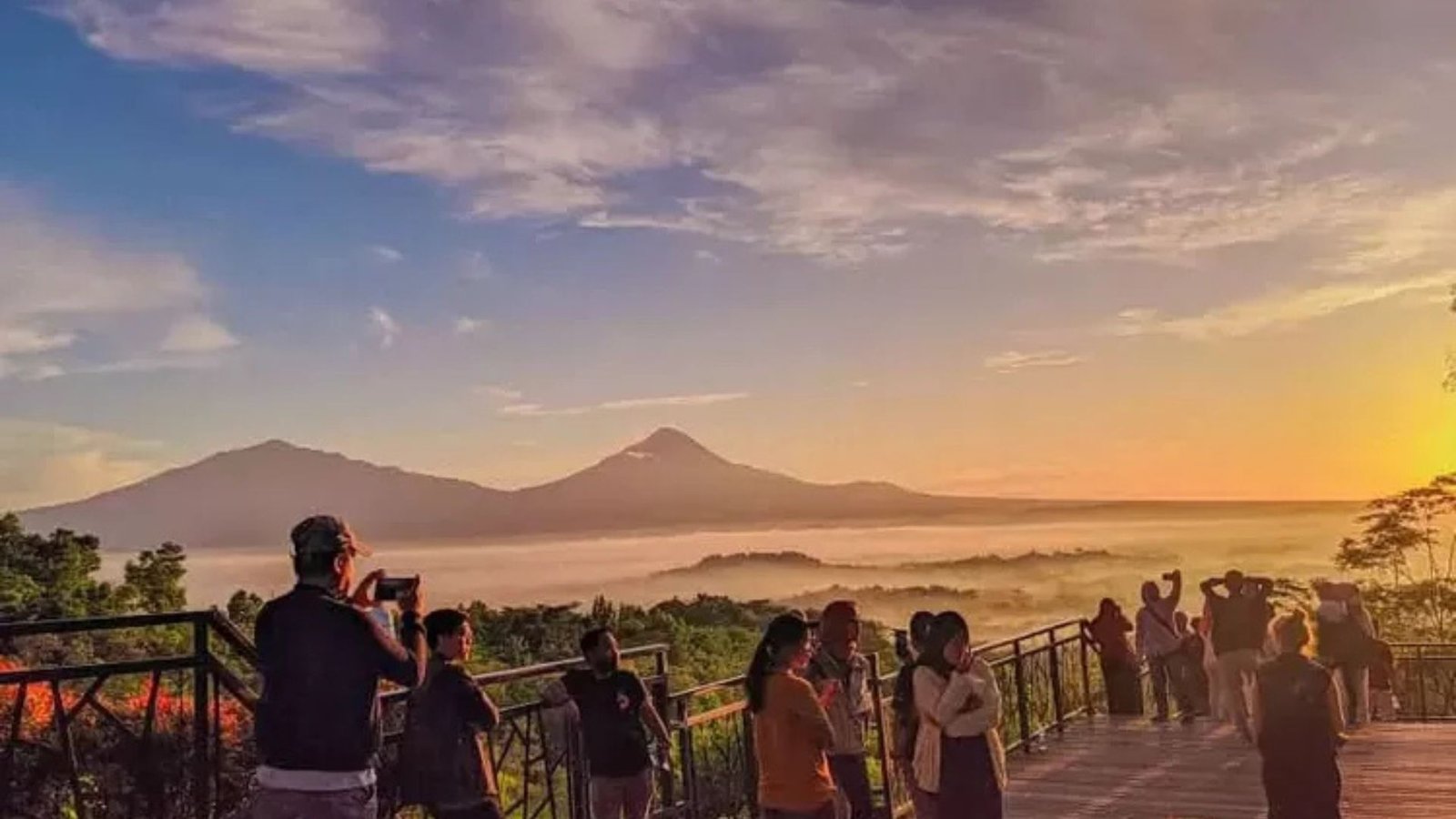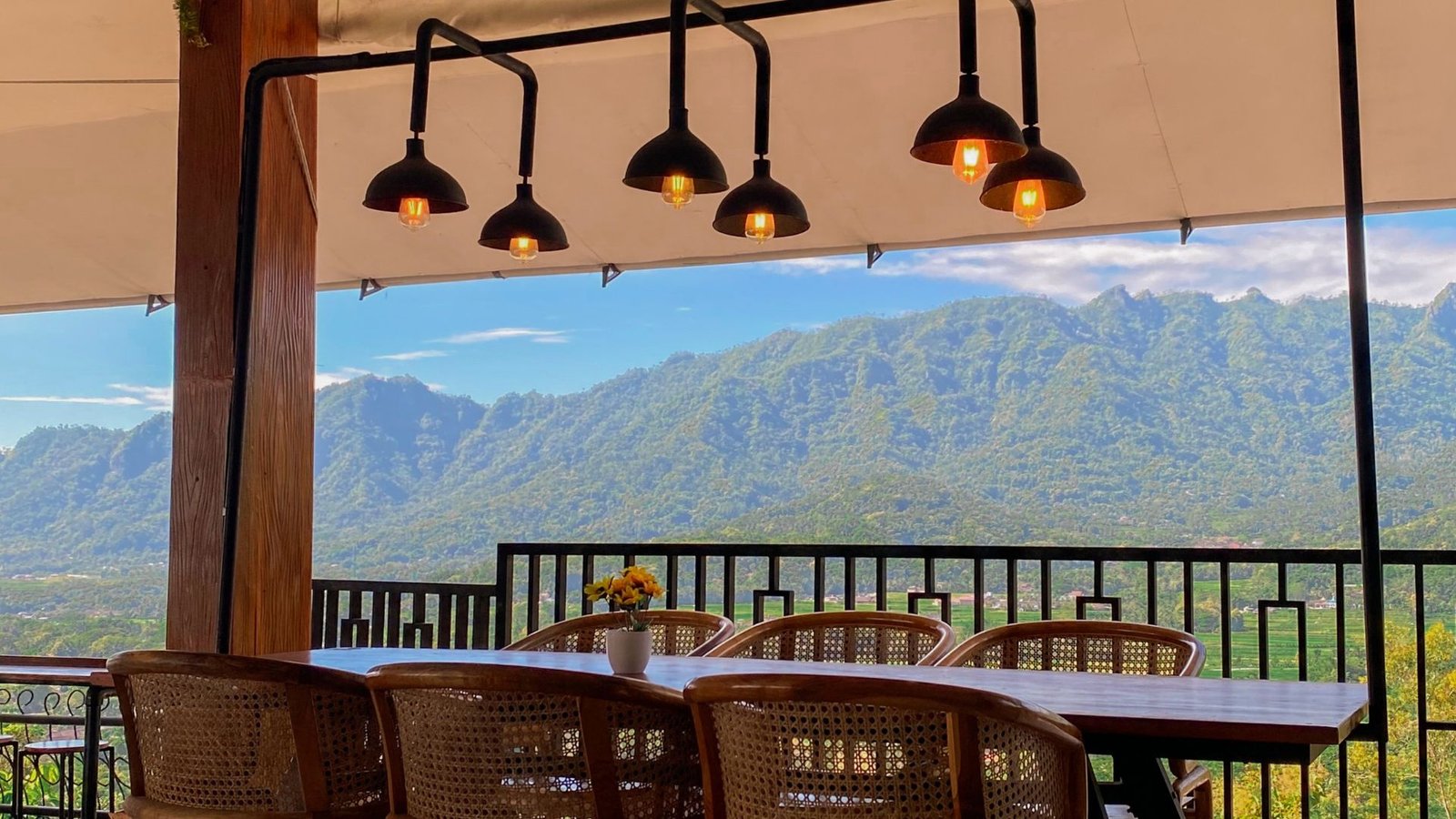

Nestled in the highlands of North Sumatra, Indonesia, lies a body of water so vast and blue it feels more like an inland sea than a lake. This is Lake Toba—a place where the mist clings to emerald-green hills, and the air carries the scent of pine and ancient history. But Lake Toba isn’t just a scenic getaway; it is a place of duality. On one hand, it is the site of a cataclysmic super-eruption that nearly wiped out humanity 74,000 years ago. On the other, it is the heart of a touching, tragic legend known to every child in Indonesia.
In this guide, we’re going to explore the layers of Lake Toba. We will journey through the folklore of the forbidden oath, dive into the staggering scientific facts of its creation, and provide you with actionable travel strategies to make the most of your visit to this UNESCO Global Geopark. Grab a cup of local Sidikalang coffee, and let’s dive in.
The Heart of the Myth: The Forbidden Oath and the Birth of the Lake
To understand the soul of Lake Toba, you must first understand the story of a man named Toba. Long before the lake existed, the region was a fertile valley where Toba lived a simple life as a farmer and fisherman. One day, his luck changed in a way that would alter the course of history.
The Golden Fish and the Beautiful Secret
As the legend goes, Toba spent a long afternoon by the river, catching nothing. Just as he was about to give up, he felt a massive tug on his line. He pulled in a magnificent golden fish, its scales shimmering like coins in the sun. However, as he prepared to cook it, the fish transformed into a beautiful woman.
She explained that she was a princess under a curse, and Toba’s touch had broken the spell. Smitten by her beauty and grace, Toba asked for her hand in marriage. She agreed, but with one non-negotiable condition: Toba must never, under any circumstances, reveal her true origin. He must never tell anyone—not even their future children—that she was once a fish. Toba gave his word, and they began their life together in harmony.
The Broken Promise
Years passed, and they had a son named Samosir. Samosir was a spirited boy, but he had an insatiable appetite. One afternoon, Toba’s wife sent Samosir to the fields to bring his father lunch. On the way, the young boy grew hungry and ate most of the food, leaving only scraps for his hardworking father.
When Toba opened the lunch basket to find it nearly empty, his hunger turned to blind rage. In the heat of the moment, he forgot his sacred vow. He shouted at the boy, “You greedy child! You act just like the son of a fish!”
The moment the words left his lips, the earth began to tremble. Samosir ran home crying to his mother, who realized the oath had been broken. She told Samosir to run to the highest hill as the sky turned black and the heavens opened. She disappeared back into the water, and a massive flood swallowed the valley, drowning Toba and creating the lake we see today. The hill where Samosir sought refuge became the island in the center—Samosir Island.
The Science: The Toba Catastrophe Theory
While the legend provides a poetic explanation for the lake’s existence, the scientific reality is equally, if not more, dramatic. Lake Toba is a caldera—a giant crater formed by the collapse of a volcano after a massive eruption. This wasn’t just any eruption; it was a “Super-eruption.”
The Largest Eruption in Human History
Approximately 74,000 years ago, Mount Toba erupted with a Volcanic Explosivity Index (VEI) of 8. To put that in perspective, it was about 2,800 times larger than the 1980 eruption of Mount St. Helens. Research suggests that the eruption released nearly 2,800 cubic kilometers of volcanic material into the atmosphere.
- The Volcanic Winter: The ash and sulfuric acid released into the stratosphere blocked out the sun, dropping global temperatures by 3 to 5 degrees Celsius for several years.
- The Genetic Bottleneck: Some scientists argue that this “volcanic winter” caused a massive decline in the human population, reducing the global population to as few as 3,000 to 10,000 individuals. Every human alive today may be descended from the few survivors of the Toba catastrophe.
- Modern Dimensions: Today, the lake measures about 100 kilometers long and 30 kilometers wide. At its deepest point, it reaches 505 meters (1,657 feet), making it one of the deepest lakes in the world.
Why Lake Toba is a Must-Visit Destination Today
In 2020, Lake Toba was officially recognized as a UNESCO Global Geopark. This designation isn’t just about the scenery; it recognizes the unique geological heritage and the vibrant Batak culture that has flourished on the shores of the lake for centuries.
Cultural Immersion on Samosir Island
Samosir Island, located in the middle of the lake, is almost the size of Singapore. It is the cultural heartland of the Batak Toba people. When you visit, you aren’t just seeing a landscape; you are stepping into a living museum.
- Huta Siallagan: Visit this ancient village in Ambarita to see the “Stone Chairs.” This was once a site for tribal justice where elders met to decide the fate of criminals. It offers a fascinating, if slightly macabre, look into ancient Batak law.
- Tomok Village: Home to the tomb of King Sidabutar, this village is the perfect place to see traditional Rumah Bolon (Batak longhouses) with their iconic saddle-shaped roofs.
- Sigale-gale Dance: Watch a performance of the Sigale-gale puppet. Traditionally, these life-sized wooden puppets were used in funeral ceremonies for those who died without children, believed to be inhabited by the spirits of the deceased to perform one last dance.
The Natural Wonders
If you prefer nature over history, Toba does not disappoint. The sheer scale of the caldera walls provides viewpoints that look like they belong in a fantasy novel.
Sipisopiso Waterfall: Located at the northern tip of the lake, this 120-meter waterfall is one of the tallest in Indonesia. The water plunges from a high plateau into the lake below, surrounded by lush greenery.
Holbung Hill: Also known as “Teletubbies Hill” by locals, this spot offers a 360-degree view of the lake. It is the ultimate location for sunrise or sunset photography.
Actionable Strategies for Your Lake Toba Adventure
Planning a trip to North Sumatra requires a bit of strategy, as the distances can be long. Here is how to navigate your journey like a pro.
1. Choosing Your Entry Point
There are two main ways to reach the lake:
- Kualanamu International Airport (KNO): Located in Medan. From here, it’s a 4- to 6-hour drive to Parapat (the gateway town to the lake). This route is better if you want to explore Medan’s culinary scene first.
- Silangit International Airport (DTB): This is the “shortcut.” Located much closer to the southern end of the lake, it’s only about a 1- to 2-hour drive to the shores of Toba. Many domestic flights from Jakarta fly here directly.
2. The Best Time to Visit
To avoid the rain and get those crystal-clear views, aim for the dry season between May and September. If you want to experience local culture at its peak, try to visit during the Samosir Music International festival or the Lake Toba Festival, usually held in the latter half of the year.
3. Culinary Delights You Must Try
Batak cuisine is bold and unique. You cannot leave without trying:
- Naniura: Often called “Batak Sashimi,” this is raw carp marinated in herbs and andaliman (Sumatran pepper) which “cooks” the fish with acidity.
- Mie Gomak: Known as the “Spaghetti of the Batak,” these thick noodles are served in a spicy, aromatic broth.
- Andaliman Pepper: This native spice provides a “numbing” sensation similar to Sichuan peppercorns and is the secret ingredient in most local dishes.
Sustainability and the Future of the Lake
As tourism grows, so does the responsibility to protect this natural wonder. Lake Toba has faced challenges with water quality due to fish farming and deforestation. As a traveler, you can contribute to its preservation by:
- Supporting Local: Stay in family-owned homestays and eat at local “Lapaus” to ensure your money goes directly to the community.
- Reducing Plastic: Bring a reusable water bottle. While the lake looks pristine, plastic waste is an emerging issue in the region.
- Respecting Traditions: When visiting sacred sites like the stone chairs or tombs, dress modestly and follow the guidance of local elders.
Conclusion: A Place of Power and Peace
Lake Toba is more than just a destination; it is a reminder of the Earth’s raw power and the enduring strength of human storytelling. Whether you are standing on the edge of the caldera reflecting on the massive eruption that changed the world, or sitting in a Batak longhouse listening to the legend of the Fish Princess, you can’t help but feel a sense of wonder.
It is a place where time seems to slow down. The rippling water of the lake serves as a mirror, reflecting both the turbulent past of our planet and the peaceful, resilient culture of the people who call its shores home. If you are looking for a journey that offers both spiritual depth and breathtaking natural beauty, North Sumatra’s crown jewel is waiting for you.
So, are you ready to visit the land of the forbidden oath? Lake Toba is calling.