
Beyond the Temple Walls: Why a Cycling Tour in Borobudur is a Must-Try Experience
Have you ever felt that itch to escape the typical “tourist trap” routine? We’ve all been there. You visit a world-famous landmark like the Borobudur Temple, take a few selfies, walk around the stupas, and then head back to your hotel. While the temple itself is a masterpiece of human ingenuity, there is so much more to the region than just ancient stones. If you leave Magelang without exploring the emerald-green valleys and the humming life of the surrounding villages, you’ve only seen half the picture.
Recently, I decided to break the mold and try something a bit more active: a cycling tour through the Borobudur tourism villages. This wasn’t just any bike ride; it was a curated journey that began with a legendary sunrise and ended with a heart full of stories. According to data from the Indonesian Ministry of Tourism and Creative Economy (Kemenparekraf), community-based tourism (CBT) in villages surrounding Borobudur has seen a significant rise, as travelers increasingly seek authentic, “slow travel” experiences that connect them with local culture rather than just monuments.
The Perfect Starting Point: Sunrise at Bukit Rhema (Gereja Ayam)
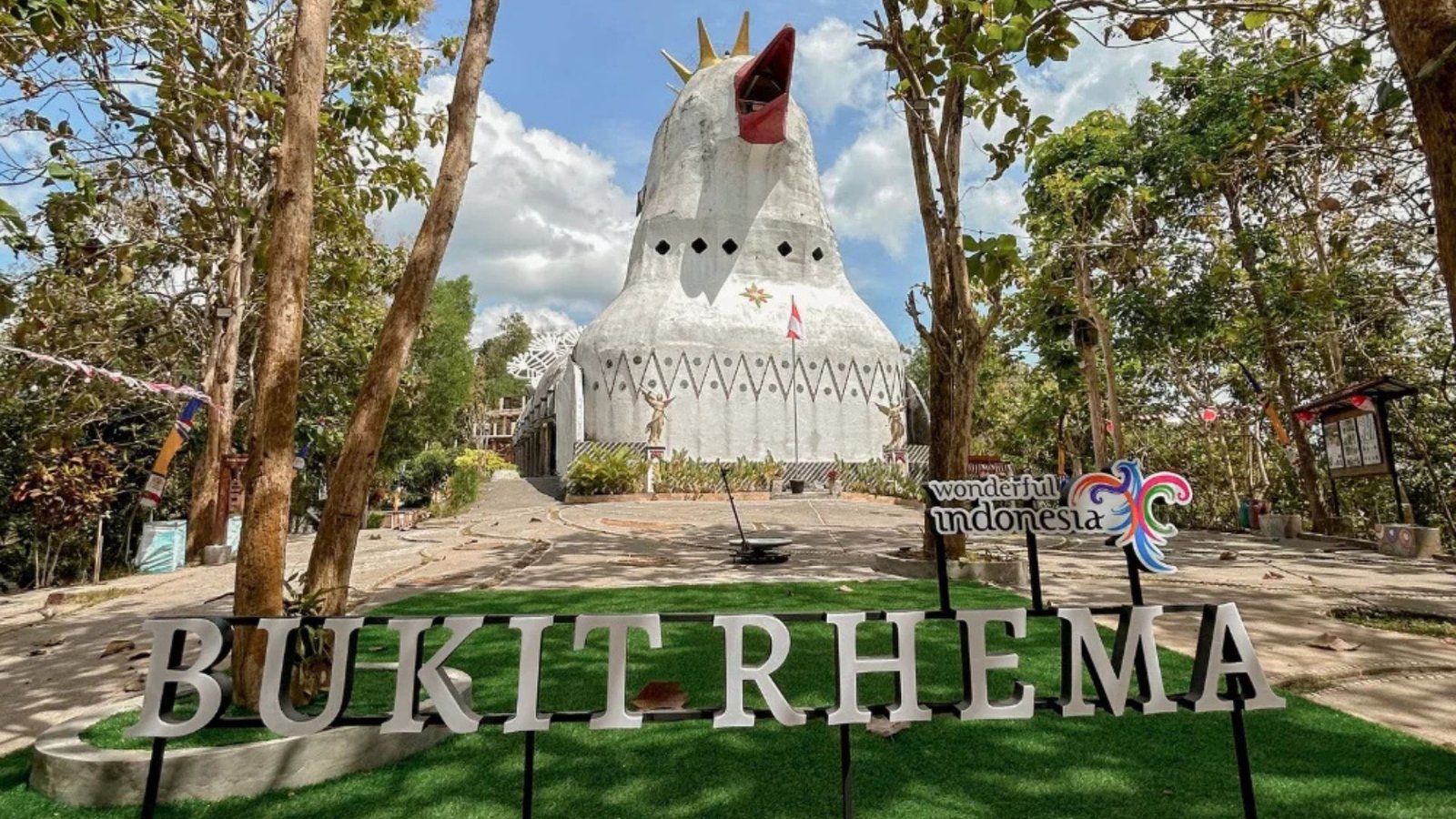
My adventure didn’t start on a saddle; it started on a hilltop. The tour package I chose, provided by the excellent team at Kedai Bukit Rhema, begins at the iconic Bukit Rhema, popularly known as the “Chicken Church.” Despite its nickname, the building is actually shaped like a dove, symbolizing peace and prayer for all nations.
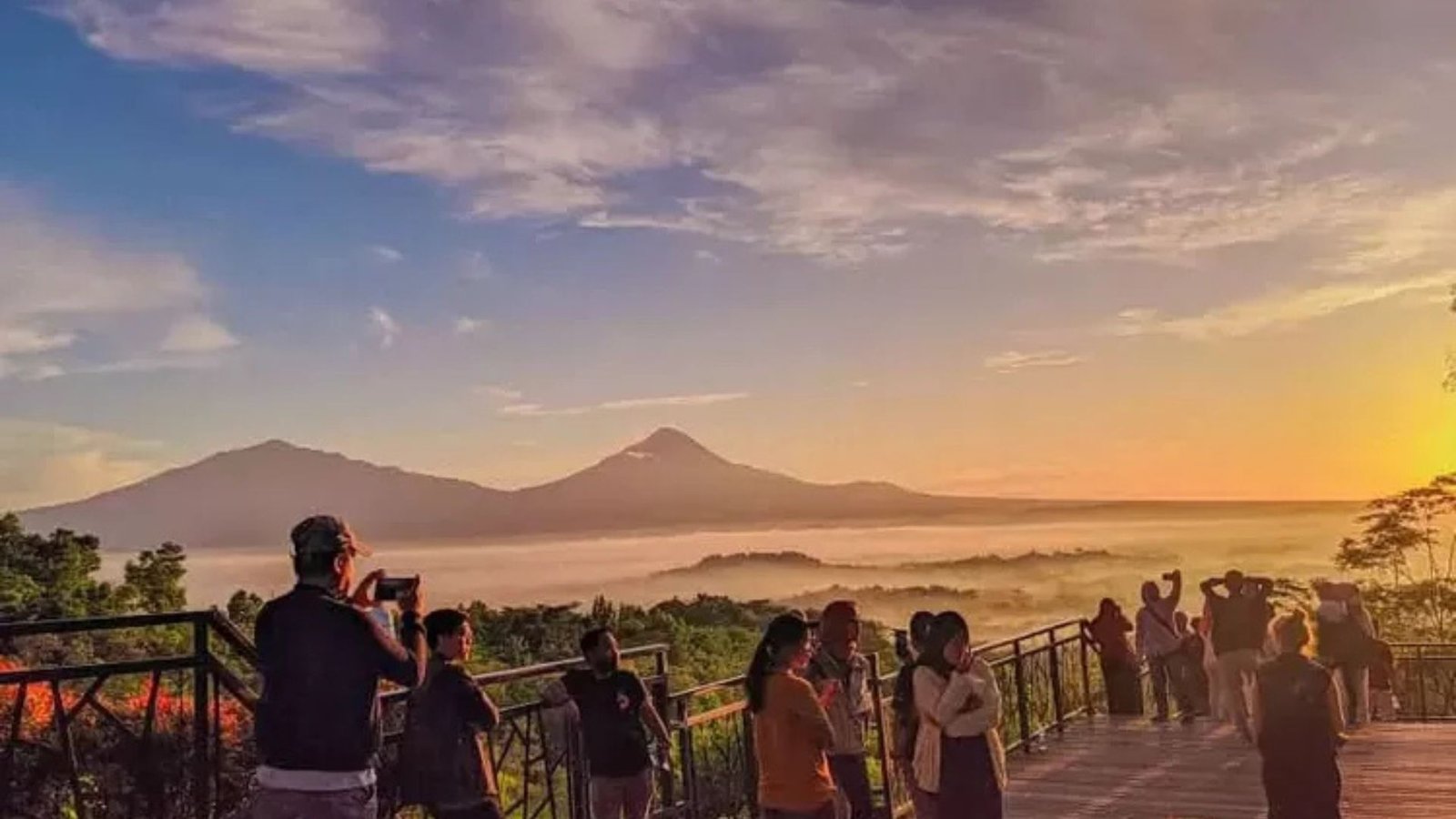
Arriving at 6:00 AM is crucial. At this hour, the air is crisp, and the world feels like it’s holding its breath. Watching the sunrise from the crown of Bukit Rhema is a spiritual experience. As the sun peeks over the horizon, the golden light spills over the mist-covered valleys, revealing the silhouette of Borobudur Temple in the distance. It is a photographer’s dream and a soul’s sanctuary. This specific vantage point is one of the most famous in Central Java, often cited in travel journals as a “top 10 sunrise spot in Indonesia.”
Fueling Up: A Traditional Javanese Breakfast
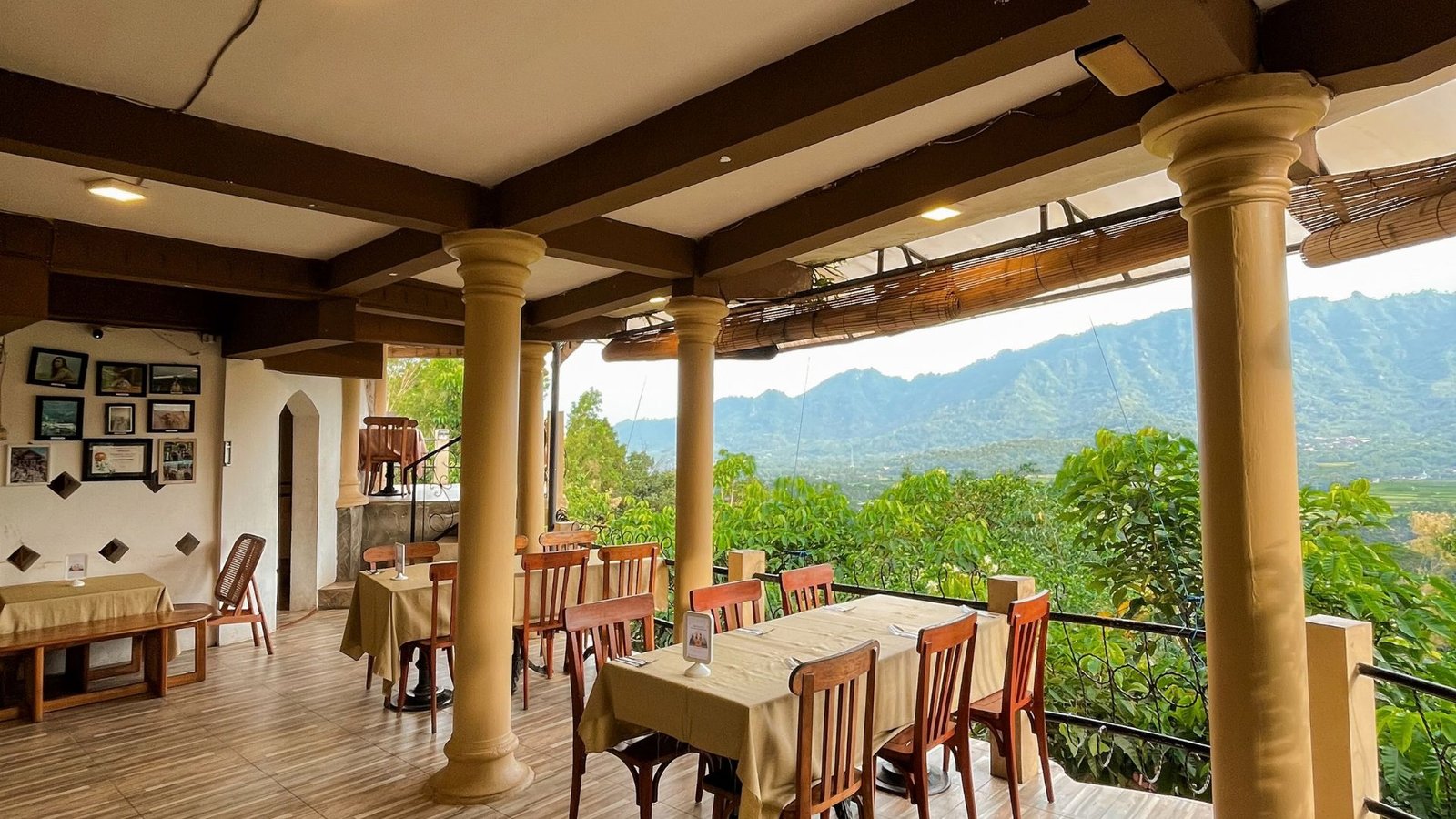
After descending from the hills, it was time to replenish my energy. The package includes a hearty breakfast at Kedai Bukit Rhema. Far from the generic continental breakfasts you find in city hotels, this was a celebration of local flavors. We were served Nasi Liwet—aromatic rice cooked in coconut milk and spices—accompanied by traditional side dishes and a spicy sambal that definitely wakes up the senses.
Eating on the terrace with a panoramic view of the hills adds a layer of flavor that money can’t buy. It’s here that I met our guide, Mas Agus, who briefed us on the route. His passion for his homeland was evident from the start, reminding us that we weren’t just tourists; we were guests in their backyard.
The Mechanics of the Tour: Preparation and Safety
One of the biggest concerns for travelers when booking a cycling tour is the quality of the equipment. I was pleasantly surprised to find that Kedai Bukit Rhema provides high-quality Mountain Bikes (MTB) with responsive gears and brakes. Safety is clearly a priority here; helmets are provided, and the guides ensure everyone is comfortable with their bike before setting off.
Booking Tip: I highly recommend booking at least a day in advance. You can reach the team via WhatsApp at 085725779520. They are incredibly responsive and will provide you with a checklist: comfortable clothing, sports shoes, and plenty of sunscreen. The sun in Central Java can be quite intense, even in the early morning!
Pedaling Through Paradise: The Village Route
The cycling route spans approximately 15-20 kilometers. Don’t let the distance intimidate you! The terrain is mostly flat with only a few gentle inclines, making it accessible for beginners, families, and even those who haven’t touched a bike in years. The real beauty of this tour lies in the stops we made along the way.
1. Desa Wanurejo: The Hub of Artistry
Our first major stop was Wanurejo, a village famous for its preservation of Javanese arts. We visited a small batik workshop where artisans were meticulously applying wax to cloth. Seeing the patience required for traditional batik reminds you why these pieces are considered UNESCO Intangible Cultural Heritage. We also saw woodcarvers at work, their hands moving with a precision that has been passed down through generations. This is the heart of the local economy—small-scale craftsmanship that supports entire families.
2. Desa Karangrejo: Living with the Land
Next, we pedaled into Karangrejo. This village offers a postcard-perfect view of agricultural life. We rode alongside terraced rice fields where farmers were busy tending to their crops. Mas Agus explained the traditional irrigation systems and the seasonal cycle of rice planting. This connection to the land is a core part of the “Desa Wisata” (Tourism Village) initiative, which aims to preserve the rural landscape while providing sustainable income for the villagers.
3. Desa Borobudur: The Pulse of the Community
The village that shares the temple’s name is a bustling center of activity. We passed through local morning markets where the air smelled of fresh spices and fried snacks. Watching the interaction between vendors and locals offers a glimpse into the daily social fabric of Magelang. It’s a stark, beautiful contrast to the quiet grandeur of the temple ruins nearby.
Authentic Interactions and Local Delicacies
One of the highlights of a Cycling Tour Borobudur is the spontaneity. It’s not just about the destinations; it’s about the smiles from children playing by the road and the friendly nods from elders sitting on their porches. At one point, we stopped at a small stall to try Jamu—a traditional Indonesian herbal medicine.
Jamu is made from natural ingredients like turmeric, ginger, and tamarind. While the taste can be an acquired one (it’s often quite bitter or spicy!), its health benefits are legendary among locals for boosting immunity and energy. Drinking Jamu in the middle of a village, surrounded by the people who have made it for centuries, is an experience you simply cannot replicate in a high-end spa.
The Mid-Ride Snack Break
About halfway through, we took a break in a shaded area. The team provided Pisang Goreng (fried bananas) and warm sweet tea. There is something incredibly satisfying about eating simple, freshly prepared food after a bit of physical exertion. This break also allowed our group—a mix of domestic travelers and international tourists—to share stories. It’s amazing how a shared bike ride can bridge cultural gaps so quickly.
Capturing the Moments: Professional Documentation
In the age of Instagram, we all want that perfect shot, but it can be dangerous to fiddle with a phone while cycling. One of the best features of this package is the included photography and videography service. A dedicated photographer follows the group, capturing candid shots and directed poses against the most scenic backdrops. Within a few days, I received a link to a Google Drive containing over 50 high-quality photos. This allows you to truly immerse yourself in the moment without worrying about your camera settings.
Is the Cycling Tour Worth the Investment?
At approximately Rp 250,000 per person, you might wonder if it’s worth the price compared to a standard temple ticket. Let’s break down the value proposition:
- High-Quality Equipment: Well-maintained MTBs and safety gear.
- Expert Guiding: Knowledgeable guides who provide historical and cultural context.
- Full Catering: A delicious traditional breakfast, snacks, and unlimited water.
- Sunrise Access: Entry to the Bukit Rhema area.
- Professional Content: High-resolution photos and videos of your trip.
- Social Impact: Your participation directly supports the local village economies.
When you consider that you are getting 4-5 hours of guided entertainment, food, and lasting memories, the value is exceptional. It’s an investment in a deeper understanding of Indonesia.
Pro-Tips for Your Borobudur Cycling Adventure
To ensure you have the best possible experience, keep these tips in mind:
- Dress for the Climate: Lightweight, moisture-wicking fabrics are your best friend. Avoid heavy denim.
- Hydration is Key: While water is provided, make sure to drink small sips constantly rather than waiting until you are thirsty.
- Respect the Locals: Always ask for permission before taking close-up photos of people, especially children or people in their private yards.
- Bring a Small Backpack: Just enough to carry your sunscreen, a power bank, and your wallet.
- Be Open-Minded: Some roads might be narrow or bumpy, and the Jamu might be bitter, but that’s all part of the authentic charm!
Conclusion: A Journey for the Soul
As we cycled back to Kedai Bukit Rhema around 11:00 AM, my legs were a little tired, but my spirit was soaring. Cycling through the villages of Borobudur changed my perspective. The temple is a monument to the past, but the villages are a monument to the present—vibrant, resilient, and incredibly welcoming.
If you are planning a trip to Central Java, I urge you to look beyond the stupas. Rent a bike, hire a guide, and lose yourself in the emerald green of the rice paddies. You’ll find that the true magic of Borobudur isn’t just in its stones, but in the smiles of the people who call its shadows home. Whether you’re a solo adventurer or traveling with loved ones, this cycling tour is an experience that will stay with you long after the dust has settled on your tires.
Ready to explore? Contact Kedai Bukit Rhema today and start your journey into the heart of Java!