
Embracing the Charm of Culinary Tourism Magelang Jogja
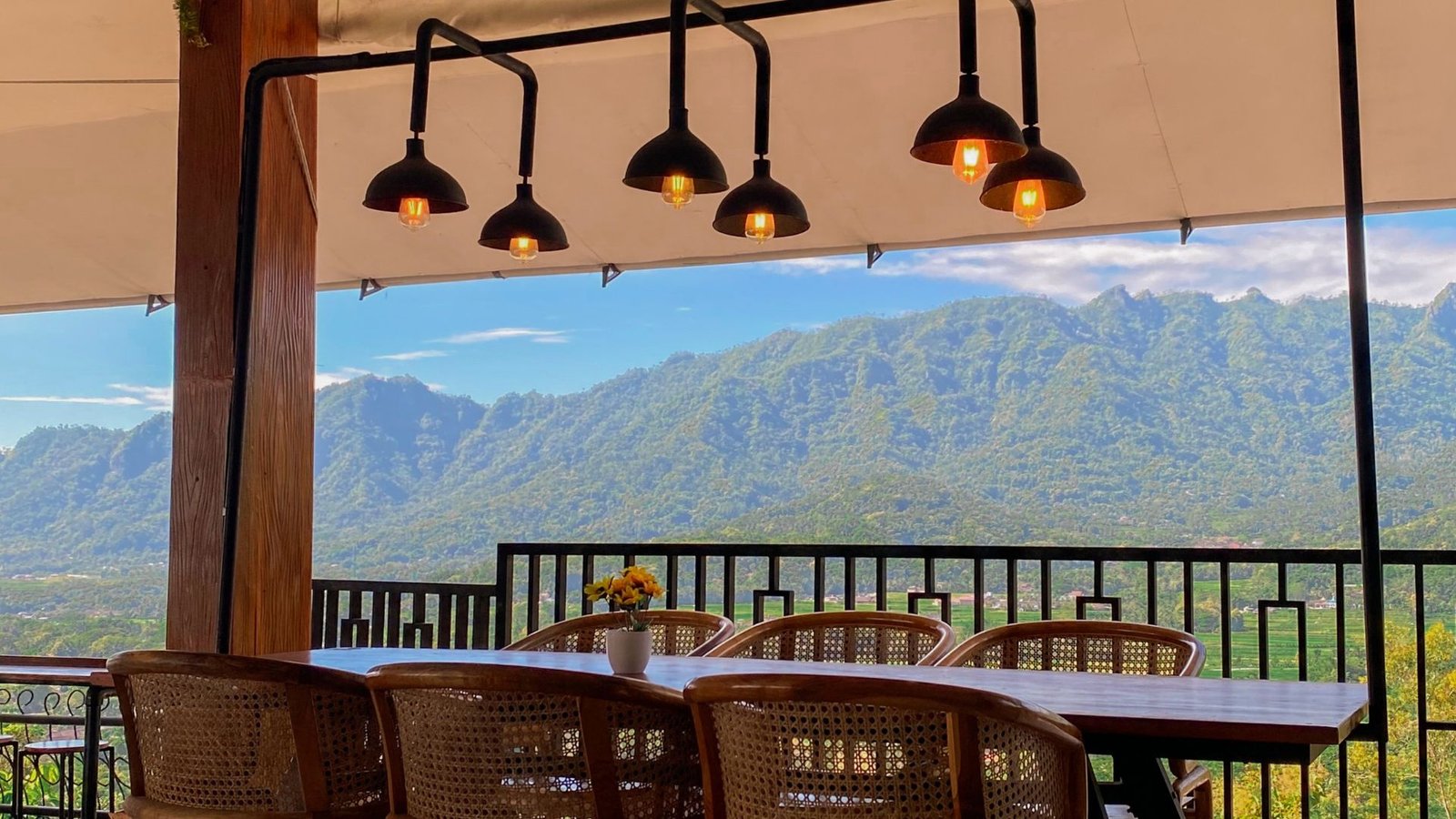
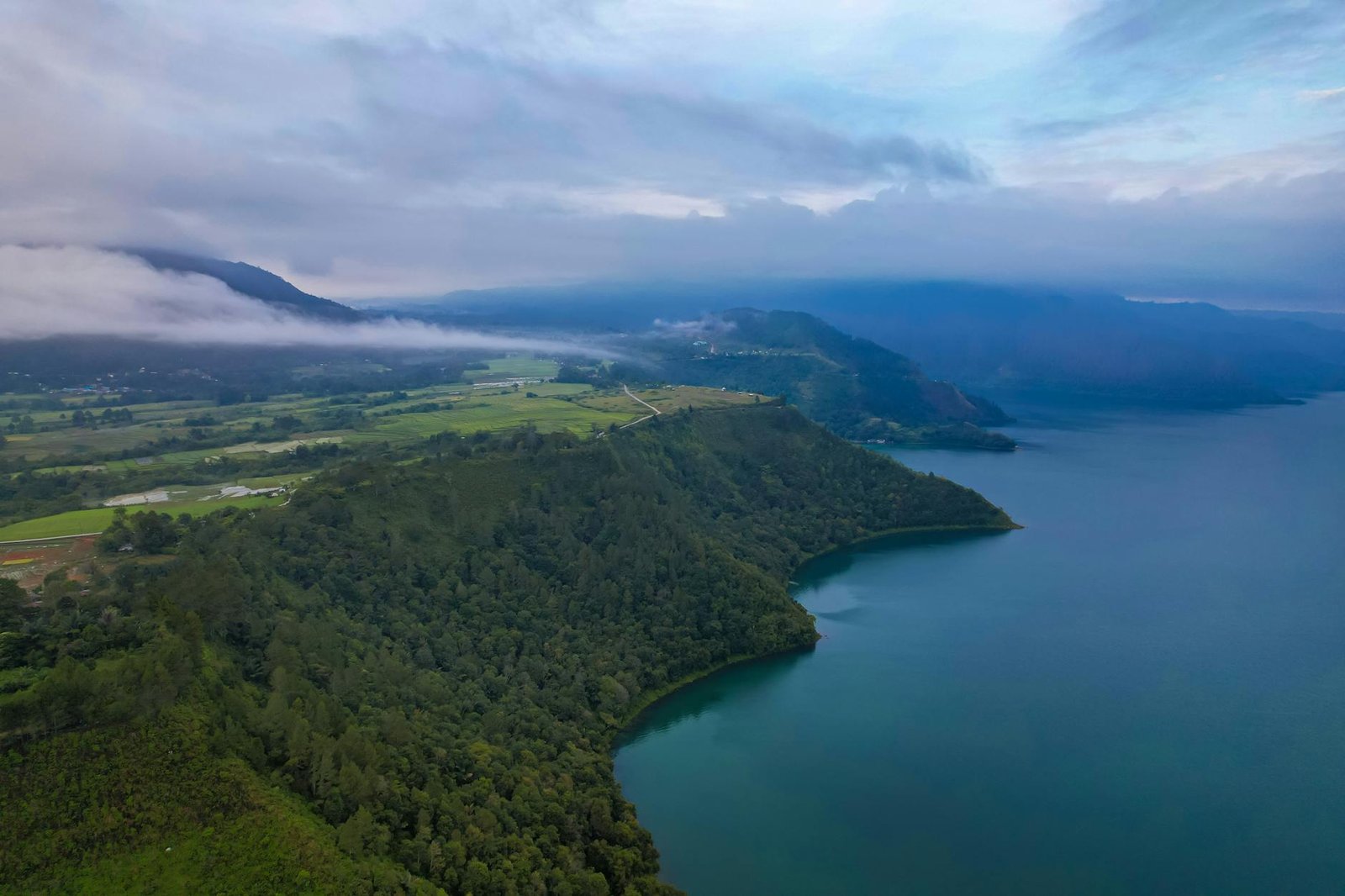
There is something magical about the road connecting Yogyakarta and Magelang. As you leave the bustling city center of Jogja and head north toward the majestic Borobudur Temple, the skyscrapers begin to fade, replaced by the lush greenery of tropical forests and the geometric beauty of terraced rice fields. This corridor is more than just a transit route; it is the heart of culinary tourism Magelang Jogja, a region where food is served with a side of serenity and nostalgia.
In recent years, there has been a significant shift in travel preferences. According to recent tourism industry data, over 65% of travelers now prioritize “authentic local experiences” over traditional sightseeing. In Central Java, this has manifested as a “back to nature” movement in the dining scene. People are no longer just looking for five-star luxury; they are searching for the warmth of a Javanese kitchen, the smell of wood-fired stoves, and the peaceful sound of crickets in the evening. This guide will take you through the best spots to experience this rustic charm.
Why the “Village Atmosphere” is the Ultimate Dining Trend
The concept of Suasana Desa (Village Atmosphere) is not just a marketing gimmick; it is a response to the fast-paced nature of modern life. In the context of culinary tourism Magelang Jogja, this trend is built on three pillars:
- The Slow Food Movement: Many of these village-style restaurants use traditional cooking methods, such as clay pots (kendil) and wood fires (luweng), which enhance the depth of flavor in local stews and curries.
- Biophilic Design: By integrating dining areas with rice fields or rivers, these establishments provide a psychological “reset” for visitors, reducing stress and increasing meal satisfaction.
- Cultural Preservation: These eateries often serve as living museums, showcasing Javanese architecture like the Joglo and Limasan houses.
Top Culinary Destinations in Magelang: Near the Great Temple
Magelang is often synonymous with Borobudur, but the culinary landscape surrounding this UNESCO World Heritage site is equally grand. If you are looking for a place to rest after a morning of temple climbing, these spots offer the perfect “village” escape.
1. Warung Kopi Borobudur
Located just a stone’s throw from the temple complex, this spot is a favorite for those seeking an unpretentious vibe. Imagine sitting in a wooden pavilion, surrounded by teak trees, while sipping on a hot cup of Javanese coffee. Their signature snacks, like fried bananas and mendoan (thinly battered tempeh), are prepared using recipes passed down through generations. It is the epitome of simple, heartfelt Magelang hospitality.
2. Sekar Kedhaton Restaurant (Magelang Branch)
For a more refined take on the village atmosphere, Sekar Kedhaton offers a blend of royal Javanese heritage and rustic charm. The architecture is breathtaking, featuring intricate wood carvings that tell stories of the past. It is an excellent choice for families who want the “village” look without sacrificing the comfort of a high-end service. Don’t miss their Sop Senerek, a traditional red bean soup that is a local Magelang specialty.
3. Plataran Borobudur’s Patio Venue
If your version of a “village vibe” includes a touch of luxury and a direct view of the Borobudur stupas, this is the place. While it is more upscale, the Patio Venue maintains a deep connection to the land. They source many of their ingredients from their own organic gardens, supporting the local ecosystem while providing diners with the freshest flavors possible.
Hidden Gems in Yogyakarta: The North Sleman Trail
As you move back toward Yogyakarta, the Sleman regency offers a cooler climate and a plethora of “hidden gems” nestled at the foot of Mount Merapi. This area is the gold mine of culinary tourism Magelang Jogja.
1. Warung Kopi Klotok, Pakem
You cannot talk about village-style dining in Jogja without mentioning Kopi Klotok. This place has become a cultural phenomenon. It is famous for its “Lodeh” (vegetable soup in coconut milk) and its signature crispy fried eggs. The ritual here is simple: you grab a plate, serve yourself from the heavy iron pots, and find a spot on a mat (lesehan) right on the edge of the rice field. Despite the long queues on weekends, the atmosphere remains incredibly grounding.
2. Suwatu by Mil&Bay
Suwatu offers a slightly different take by combining a Mediterranean aesthetic with Javanese soul. Located on a hill with a panoramic view of Prambanan Temple and Mount Merapi, it provides a “village above the clouds” feeling. The menu is strictly traditional—think Sayur Asem, grilled chicken, and various sambals—served in a setting that feels like a sophisticated country estate.
3. Kopi Opak
Located on the banks of the Opak River, this restaurant allows you to dine while listening to the rushing water. The bridge crossing the river is a popular photo spot, but the real star is the food. The atmosphere here is particularly magical during the “golden hour” just before sunset, when the lights reflect off the water and the village surroundings feel incredibly cozy.
The Signature Flavors of the Region
To truly experience culinary tourism Magelang Jogja, you must know what to order. The region’s palate is generally sweet and savory, with a heavy reliance on local spices and coconut milk.
- Mangut Lele: This is a smoked catfish curry. The smoking process gives the fish a unique aroma that pairs perfectly with the spicy, turmeric-based gravy. It is a staple of the Magelang-Jogja border.
- Kupat Tahu Magelang: Unlike its counterparts in other cities, the Magelang version features a thinner, sweeter peanut sauce and is packed with fresh cabbage and bean sprouts.
- Bakmi Jawa: Often cooked over charcoal, these noodles have a distinct “smoky” flavor that you simply can’t replicate on a gas stove.
- Wedang Uwuh: A “trash ginger drink” (literally translated) made from various leaves and spices. It is the perfect companion for a chilly evening in the village.
Actionable Strategies for the Ultimate Culinary Road Trip
Planning a trip through the culinary tourism Magelang Jogja route requires a bit of strategy to avoid the crowds and maximize the experience.
1. Timing is Everything: Most popular village-style restaurants in Sleman and Magelang are packed by 11:00 AM. Aim for an early lunch (10:30 AM) or an early dinner (5:00 PM) to secure the best seats near the rice fields.
2. Bring Cash: While many places are modernizing, smaller “hidden gems” in the villages may still prefer cash or local QRIS payments over international credit cards.
3. Dress for the Setting: While these places are beautiful, they are outdoors. Wear breathable clothing and bring insect repellent if you plan on staying past sunset.
4. Combine with Local Activities: Don’t just eat and leave. Many of these areas offer village tours, batik workshops, or bicycle rentals. Turning your meal into a half-day excursion supports the local economy more effectively.
The Impact of Your Visit: Why it Matters
When you choose to spend your money on culinary tourism Magelang Jogja, you are participating in a vital economic ecosystem. Small-scale eateries often source their produce directly from the neighboring farms. This “farm-to-table” reality is the backbone of rural development in Central Java.
Furthermore, by supporting these establishments, you are helping to preserve Javanese heritage. As urban sprawl continues, the economic viability of these village-style restaurants ensures that the surrounding rice fields and traditional houses are protected from being turned into concrete developments. Your bowl of Sayur Lodeh is actually a vote for environmental and cultural conservation.
Conclusion: A Taste of Peace
Culinary tourism Magelang Jogja is not just about satisfying your hunger; it is about feeding your soul. In a world that often feels too fast and too loud, these village-style restaurants offer a sanctuary. Whether you are sitting on a wooden bench in Magelang or lounging by a rice field in Sleman, the experience reminds us of the beauty of simplicity.
The next time you find yourself in Central Java, take the slow road. Stop at the place with the smoke rising from the back and the chickens wandering the yard. Order the coffee, listen to the wind through the bamboo, and savor the authentic flavors of the Indonesian countryside. You might find that the best meal of your life wasn’t in a five-star hotel, but in a humble hut in the middle of a village.