
If you are visiting Central Java for the first time, you will probably notice how soft everything feels: voices are low, smiles come easily, and nobody seems in a hurry to say “no.” That calm is not an accident. It comes from a few shared habits, and learning Javanese etiquette before you arrive makes temples, villages and family homes much easier to enjoy.
This is a short, practical list for travelers around Borobudur and the wider region. It is based on published guidance from local tour operators and from the official ticketing pages, read on 16 November 2026. Customs differ from person to person, so treat these as helpful defaults rather than strict rules.
The idea behind Javanese etiquette: harmony first
Most guides describe the same core value: social harmony matters more than individual expression. People avoid confrontation, speak carefully and try not to embarrass others. A calm tone is read as respect, while loud speech or visible anger can feel aggressive. If you only remember one thing, keep your voice soft and stay patient when plans change.
Local language reflects this too. Javanese has speech levels, often called unggah-ungguh or basa krama, that change depending on who is speaking to whom. As a visitor you are not expected to master them. Being polite and observant is enough.
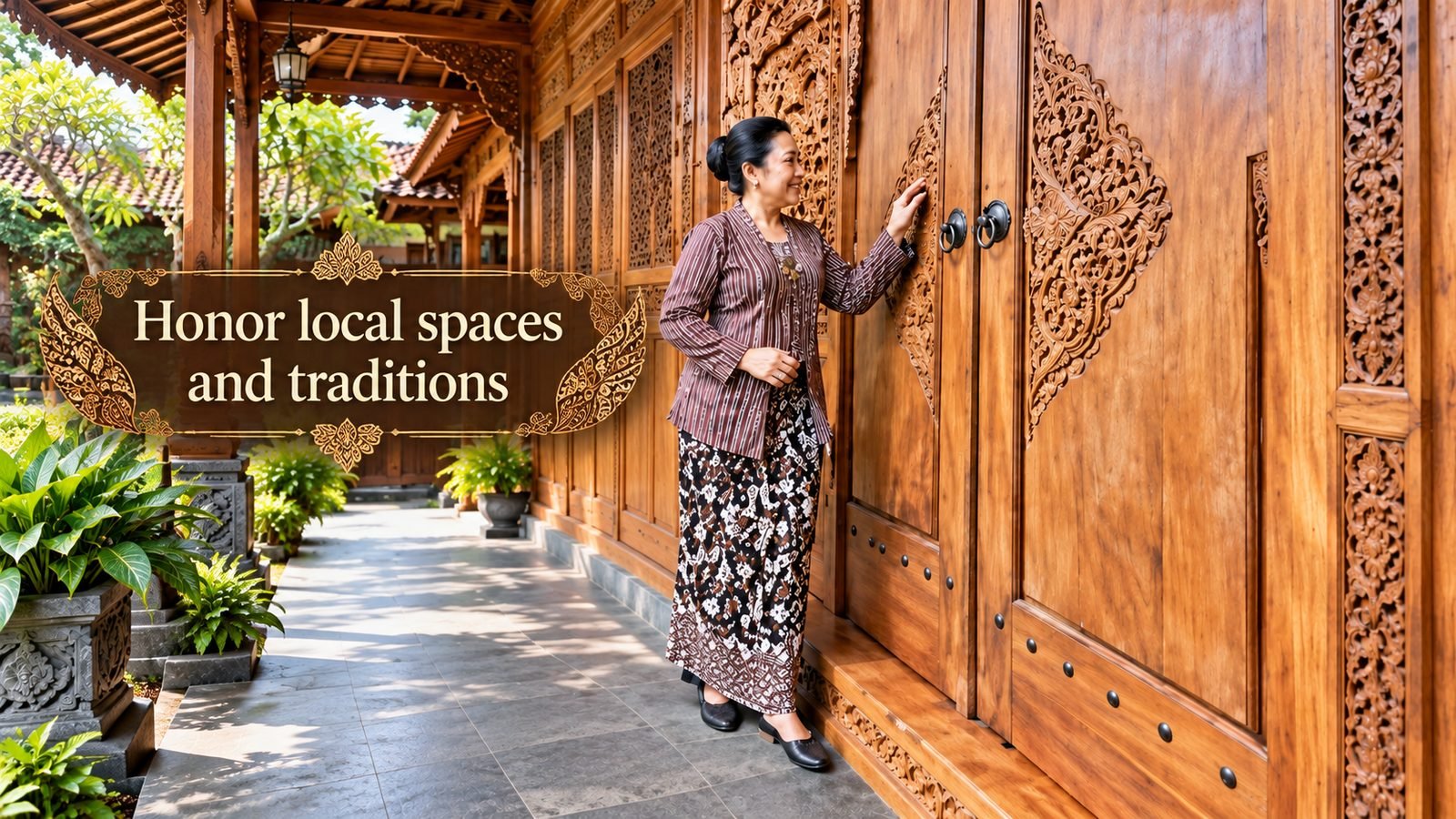
Hands, pointing and feet
A few body-language habits are worth practicing before you land:
- Use your right hand, or both hands, when giving or receiving something, especially from an older person.
- Avoid pointing with your index finger. Point with your thumb (fingers folded) or gesture with an open hand.
- Keep your feet low. Do not point the soles of your feet at someone, and do not put your feet on chairs, especially in formal or religious settings.
None of these will cause a scene if you forget, but locals notice when a visitor tries.
Visiting a home or village
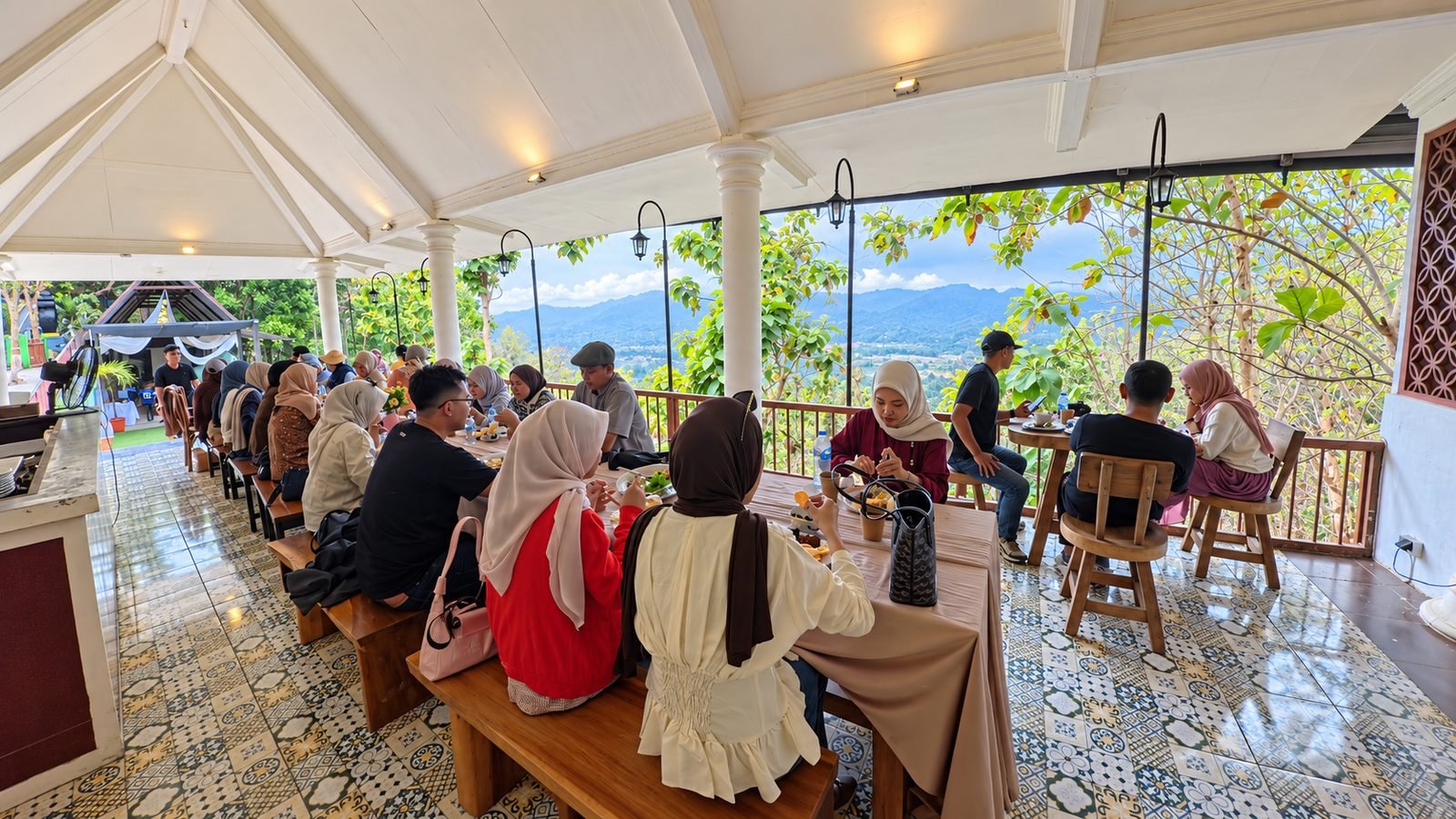
If you are invited into a house, take off your shoes at the door unless your host says otherwise, and wait to be shown where to sit. Accepting a small drink or snack is seen as polite, even if you only take a sip. If your host keeps offering more, you can decline gently with a smile and a word of thanks.
In villages, a friendly greeting goes a long way. A smile and a simple hello open more doors than any phrasebook.
What to wear at temples, mosques and holy places
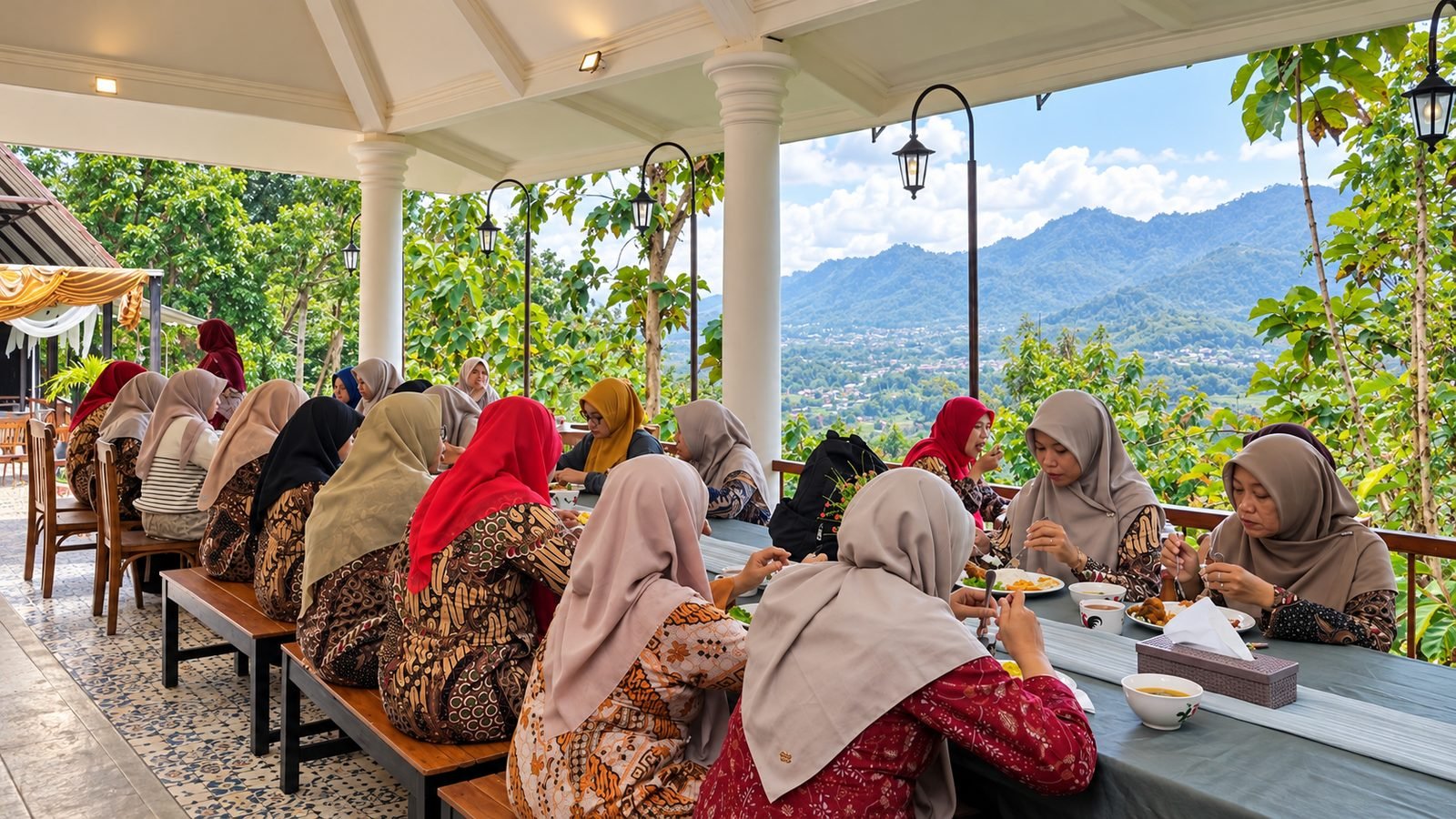
For temples such as Borobudur and Prambanan, local operators recommend clothing that covers your shoulders and knees. For mosques, dress conservatively, and women may be asked to cover their hair.
At Borobudur, the official ticket site for the structure climb lists a few important rules. The climb is guided, and everyone on the monument wears the special Upanat sandals, which come with the ticket. The operator’s visitor rules also ask you not to touch the reliefs or statues, not to smoke, not to bring food, and not to fly drones without permission. The Borobudur Sunrise experience is capped at 100 people per day, starts at 04.00 WIB, and was priced at IDR 750,000 for domestic and IDR 1,000,000 for international visitors on the official page we read on 16 November 2026. Climb session numbers and quotas can change, so check the ticket site before you plan your day.
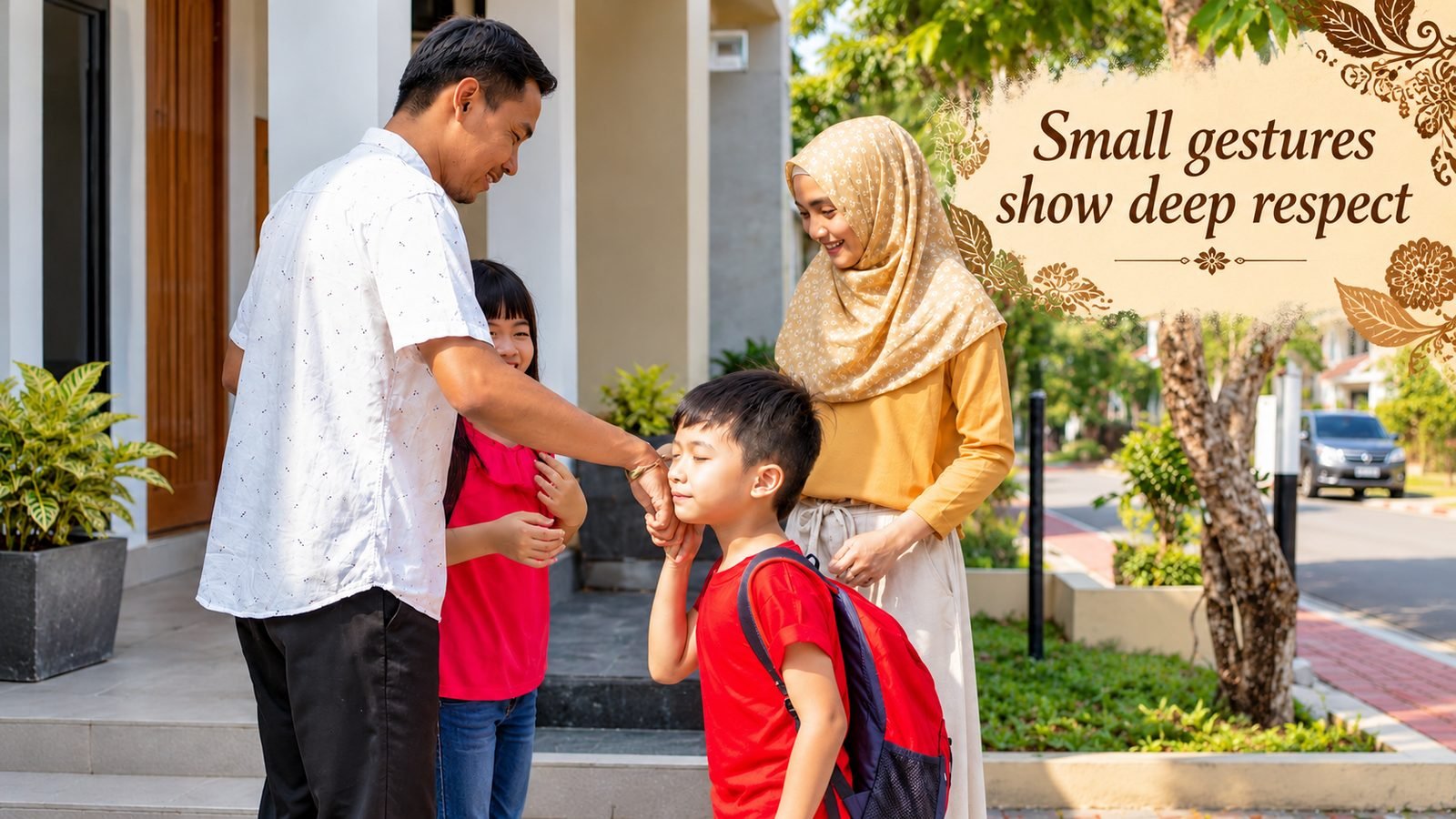
Reading an indirect “no”
Directness is not the default in Java. A reply like “maybe later” or “we’ll see” often means “I would rather not, but I do not want to disappoint you.” It is not dishonesty. It is a way to protect harmony. If you hear it, do not push. Offer an easy way out or ask a different question.
The same applies to directions. Someone may try to help even if they are unsure, rather than say “I don’t know.” Confirm with a second person or a map, and say thank you either way.
Taking photos of people
Ask first, with a smile and a gesture toward your camera. Many people are happy to say yes, and a nod or a thank-you afterwards is appreciated. If someone declines, accept it without fuss. This is a general courtesy rather than a Javanese-only rule.
A small example: visiting Bukit Rhema
If your itinerary includes Bukit Rhema (Gereja Ayam Bukit Rhema), known as a prayer house for people of all backgrounds, the same habits apply. As at any place of worship, it is a good idea to dress modestly and keep your voice low around the prayer rooms. You can read the visitor details on the Bukit Rhema ticket page before you go.
Take the habits with you
Etiquette is easier than it sounds. Soft voice, right hand, low feet, shoes at the door, modest clothes at holy places, and patience with a gentle “maybe later.” Do these and you are already ahead. Locals do not expect perfection, and a visitor who tries is usually met with warmth.