
The Untapped Magic of Borobudur Under Gray Skies
There is a specific, intoxicating aroma that fills the air in Magelang when the rain starts to fall. It is a blend of rich, wet earth—what scientists call petrichor—mixed with the crisp, cool breeze that rolls down from the surrounding volcanic peaks. For many, a dark cloud hanging over the horizon is a signal to stay indoors. But for those who have experienced the majesty of Candi Borobudur during the rainy season, it is an invitation to witness a version of the temple that most tourists never see.
Many travelers feel hesitant about visiting Borobudur when the monsoon season (typically November through March) arrives. There is the worry of getting soaked, the hassle of carrying extra gear, or the fear that the view will be obscured. However, I’ve found that the rainy season actually enhances the temple’s spiritual and aesthetic allure. The stupas, shrouded in thin veils of mist, look like ancient sentinels guarding a kingdom in the clouds. The atmosphere is quiet, the air is purified, and the harsh glare of the tropical sun is replaced by a soft, cinematic light.
If you are planning a trip to Magelang and the forecast looks gloomy, don’t cancel your plans. Instead, prepare yourself for a “syahdu” (serene and soulful) experience. Here is my comprehensive guide on how to navigate Borobudur Temple in the rain, stay warm, and create memories that are even more vivid than a sunny day at the beach.
1. Gear Up: Beyond the Basic Umbrella
While it might seem obvious, the way you prepare for the rain can make or break your experience. At the entrance of Borobudur, you will find plenty of local vendors offering umbrella rentals. While this is a great service, I always recommend bringing your own high-quality gear for maximum comfort.
The Case for the Windbreaker
Magelang may not be as high in altitude as Dieng or Kopeng, but the Borobudur basin is surrounded by the Menoreh Hills. When it rains, the wind coming off these hills can be surprisingly sharp. A simple cotton t-shirt will quickly become damp from the humidity, leaving you shivering. I highly recommend wearing a lightweight windbreaker or a water-resistant jacket. It doesn’t need to be heavy-duty mountaineering gear; just something that provides a barrier against the damp breeze. This keeps your core temperature stable, allowing you to focus on the intricate stone reliefs rather than your chattering teeth.
Umbrella vs. Raincoat: Why Not Both?
For photography enthusiasts, a raincoat or a lightweight plastic poncho is a lifesaver. It keeps your hands free to handle your camera or phone. However, an umbrella is still superior for protecting your backpack and gear from direct downpours. The stones of Borobudur turn a beautiful, deep charcoal color when wet, providing a stunning contrast for your photos. Having a poncho on your body and an umbrella to shield your equipment is the “pro-traveler” setup for rainy days.
2. Navigating the Slippery Stones: Footwear Advice
The floors and stairs of Borobudur are made of ancient volcanic stone. Over centuries of foot traffic, some of these surfaces have become quite smooth. When rain is added to the mix, they can become slippery. This is not the time for flip-flops or high-heeled sandals.
- Trekking Sandals: Sandals with a good rubber grip (like Teva or local brands like Eiger) are ideal because they dry quickly and provide traction.
- Waterproof Sneakers: If you prefer closed shoes, ensure they have a non-slip sole.
- Watch the Moss: In certain corners of the temple grounds, moisture encourages moss growth. Be extra cautious on green-tinted stones, as they are significantly more slippery than the bare gray ones.
3. Finding Sanctuary at Kedai Bukit Rhema
When the rain transitions from a gentle drizzle to a heavy tropical downpour, you’ll want a place to retreat that doesn’t feel like a sterile waiting room. This is where Kedai Bukit Rhema comes into play. Located just a short drive from the main Borobudur complex, this spot has become my favorite rainy-day sanctuary in Magelang.
Most people know the site for the “Chicken Church” (Gereja Ayam), a unique architectural landmark. But the real hidden gem is the cafe located at the back of the structure. The design of Kedai Bukit Rhema is open-air yet sheltered, allowing you to breathe in the fresh mountain air and listen to the rhythmic sound of rain hitting the forest canopy without getting a single drop on you.
The “Island in the Clouds” View
From the elevated vantage point of Kedai Bukit Rhema, the landscape transforms during the rain. You can see Candi Borobudur in the distance, looking like a miniature model nestled in a vast sea of green. As the clouds move through the Menoreh Hills, the scenery changes every minute—sometimes the temple is completely hidden, only to reappear moments later as the mist shifts. It is a meditative, almost hypnotic sight that you simply cannot get during the dry season.
4. Warm Your Soul: The Ultimate Rainy Day Menu
Food tastes better when it’s raining—it’s a universal truth. At Kedai Bukit Rhema, the menu seems specifically curated for chilly, misty afternoons. There are two items that I consider mandatory for any visitor:
- Pisang Goreng (Fried Bananas): These aren’t your average street-side fritters. They are served hot, with a crispy golden exterior and a sweet, melt-in-your-mouth interior. Paired with a cup of hot Teh Poci (jasmine tea served in a clay pot with rock sugar), it is the definition of comfort.
- Bakmi Djowo: If you need something more substantial, the Bakmi Djowo is a must. This traditional Javanese noodle dish is cooked with aromatic spices, duck eggs, and shredded chicken. The savory, steaming broth provides an instant heat boost to your body.
- Ayam Bakar Nusantara: For those who want a full meal, this signature grilled chicken dish features traditional Indonesian spices that seep deep into the meat, providing a rich, smoky flavor that pairs perfectly with warm rice.
5. Photography Tips for Misty Landscapes
Don’t put your phone away just because it’s gray outside! Rainy weather provides soft, even lighting that eliminates the harsh shadows often found in midday tropical photos. Here is how to capture the best shots:
- Enhance the Contrast: Use your photo editor to slightly increase the contrast. This makes the wet temple stones look deep and powerful against the white mist.
- Look for Reflections: Look for puddles on the stone courtyards. You can capture incredible “mirror” shots of the stupas reflecting in the water.
- Capture the Mist: Don’t try to “fix” the fog. Let it be part of the story. It adds a sense of mystery and scale to the Perbukitan Menoreh backdrop.
6. Practical Information and FAQ
Traveling with a group or family requires a bit more planning, especially when weather is a factor. Here is the essential info for your visit to Kedai Bukit Rhema and the Borobudur area:
Is Kedai Bukit Rhema Family-Friendly?
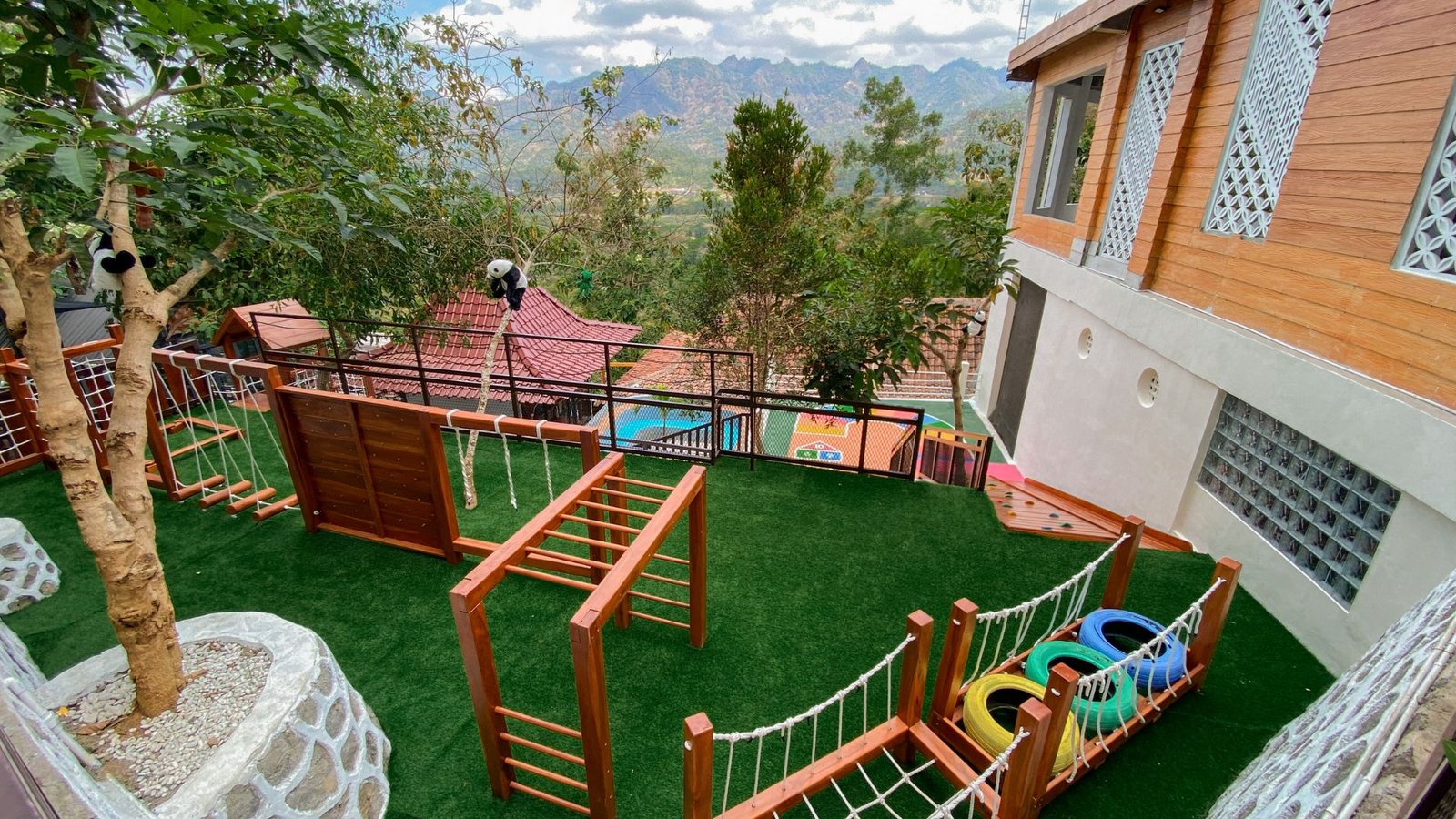
Absolutely. One of the best things about this location is the free playground area. If you are traveling with children who have a lot of energy, they can play safely while you enjoy your coffee. The indoor seating area is spacious, making it perfect for large families or office outings.
Reservations and Contact
If you are coming with a large group (10+ people), it’s a good idea to book ahead to ensure you get the best view seats. You can contact the team via WhatsApp or Phone at 0857-2577-9520.
Summary FAQ:
- Are there indoor areas? Yes, there are comfortable indoor and sheltered sections to keep you dry.
- What is the vibe? It follows a “Nature and Traditional” concept, blending seamless architecture with the Menoreh greenery.
- Can I see the menu online? Yes, check out kedaibukitrhema.com/menu for the latest prices and dishes.
Conclusion: Embrace the Rain
A trip to Borobudur in the rainy season is a lesson in perspective. Yes, you might get a little wet. Yes, the sky might be gray. But in exchange, you get a sense of peace and a connection to nature that the summer crowds will never experience. You aren’t just visiting a monument; you are witnessing a living landscape that breathes and changes with the weather.
So, pack your windbreaker, grab your umbrella, and head toward the mist. After you’ve explored the silent, rain-washed corridors of the temple, make your way up to Kedai Bukit Rhema. Sit back, watch the clouds dance over the Menoreh Hills, and enjoy a plate of warm pisang goreng. You’ll find that the “syahdu” atmosphere of Magelang stays with you long after your clothes have dried. Magelang is always ready to welcome you, rain or shine.